Quick answer
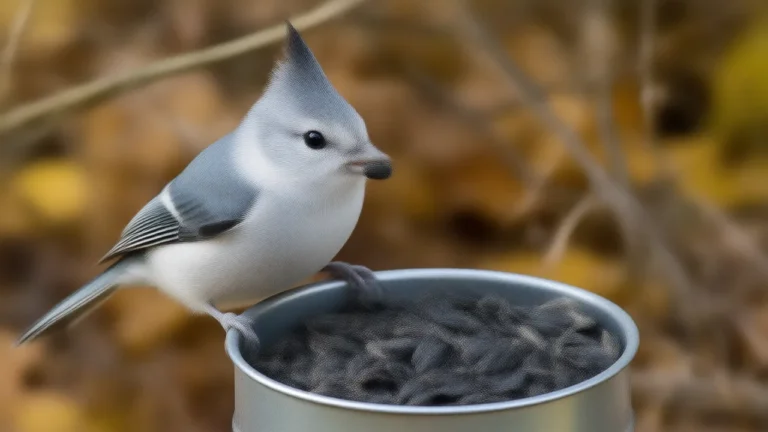
The main types of bird seed are black oil sunflower, striped sunflower, hulled sunflower, safflower, nyjer, white proso millet, cracked corn and peanuts. Black oil sunflower attracts the widest range of feeder birds. Nyjer is for finches, millet for ground-feeding juncos, sparrows and doves, safflower for cardinals and chickadees, and peanuts for jays, woodpeckers and titmice.
In this guide
The seed you put out decides which birds show up. A feeder full of black oil sunflower will feed most of the common backyard birds in the US on its own. Adding one or two other seeds, in the right feeder, brings in the specialists: goldfinches on nyjer, juncos and sparrows on millet, jays and woodpeckers on peanuts.
The main types are black oil sunflower, striped sunflower, hulled sunflower, safflower, nyjer, white proso millet, cracked corn and peanuts. Cheap mixes often pad these out with milo, red millet and wheat, which most feeder birds toss aside. Below is what each seed is, which birds eat it, and where it works best.
Bird seed types at a glance
| Seed | Birds it attracts | Best feeder | Notes |
|---|---|---|---|
| Black oil sunflower | Chickadees, titmice, nuthatches, cardinals, finches, grosbeaks, jays, woodpeckers | Tube, hopper, platform | Thin shell, rich in fat; the best all-round seed |
| Striped sunflower | Cardinals, jays, grosbeaks, titmice | Hopper, platform | Thick shell that small finches struggle to open |
| Hulled sunflower (hearts and chips) | Goldfinches, chickadees, nuthatches, cardinals, most sunflower eaters | Tube, hopper, window feeder | No shells left under the feeder; spoils faster when wet |
| Safflower | Cardinals, chickadees, titmice, House Finches, grosbeaks, Mourning Doves | Hopper, platform, tube with large ports | Grackles, starlings and many squirrels tend to leave it alone |
| Nyjer | American and Lesser Goldfinches, Pine Siskins, House Finches, redpolls | Nyjer tube or mesh sock | Tiny seed that needs small ports; goes stale and molds quickly |
| White proso millet | Juncos, native sparrows, towhees, doves, quail | Platform or ground tray | Also a favorite of House Sparrows and cowbirds |
| Cracked corn | Doves, jays, juncos, sparrows, quail, turkeys | Platform or ground tray | Also draws squirrels, blackbirds and deer; offer small amounts |
| Peanuts | Jays, woodpeckers, titmice, chickadees, nuthatches | Mesh peanut feeder, platform | Unsalted only; keep them dry |
Sunflower seed: black oil, striped and hulled
Black oil sunflower
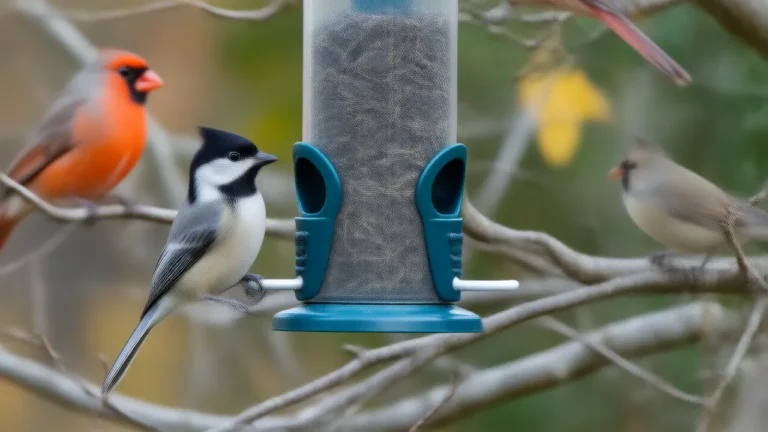
If you buy only one seed, make it black oil sunflower. The small, all-black seeds have thin shells that even chickadees and goldfinches can crack, and the kernels are rich in fat, which birds burn for energy, especially on cold nights. It works in almost any feeder and is the base of most good seed mixes. The guide is black oil sunflower seed good for birds covers it in detail.
Striped sunflower
Striped sunflower seeds, gray with black stripes, are bigger and have thicker shells. Cardinals, jays and grosbeaks open them easily with their heavy bills, while smaller birds mostly pass them by. Striped seed also leaves more heavy hulls under the feeder, so for most yards it works best as a second seed for cardinals and jays rather than the main one.
Hulled sunflower
Sunflower hearts and chips are kernels with the shell already removed. Birds eat every bit, and no hulls pile up on the patio or the lawn below, which makes them a good choice for decks and window feeders. Without the shell, the kernels soak up rain and spoil quickly, so fill small amounts and use a covered feeder.
Safflower and nyjer: seeds with a purpose
Safflower
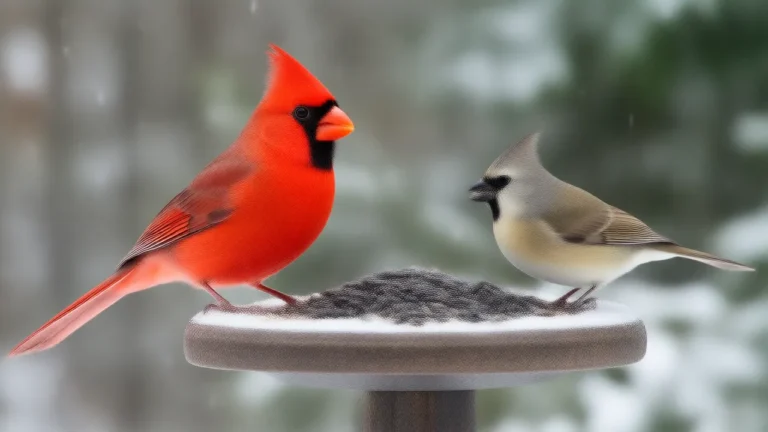
Safflower is a white, slightly pointed seed with a hard shell. Cardinals take to it readily, as do chickadees, titmice, House Finches, grosbeaks and Mourning Doves. Grackles, starlings and many squirrels find it much less appealing, so switching to safflower is a common move when those visitors take over a feeder.
Birds that have never seen safflower may ignore it at first. Mix it with sunflower and shift the mix toward safflower over a couple of weeks. See safflower vs sunflower seed for when each one makes sense.
Nyjer
Nyjer is a tiny, thin black seed. It is sometimes sold as "thistle," but it comes from a different plant altogether. Nyjer sold in the US is imported and heat-treated so it will not sprout under your feeder.
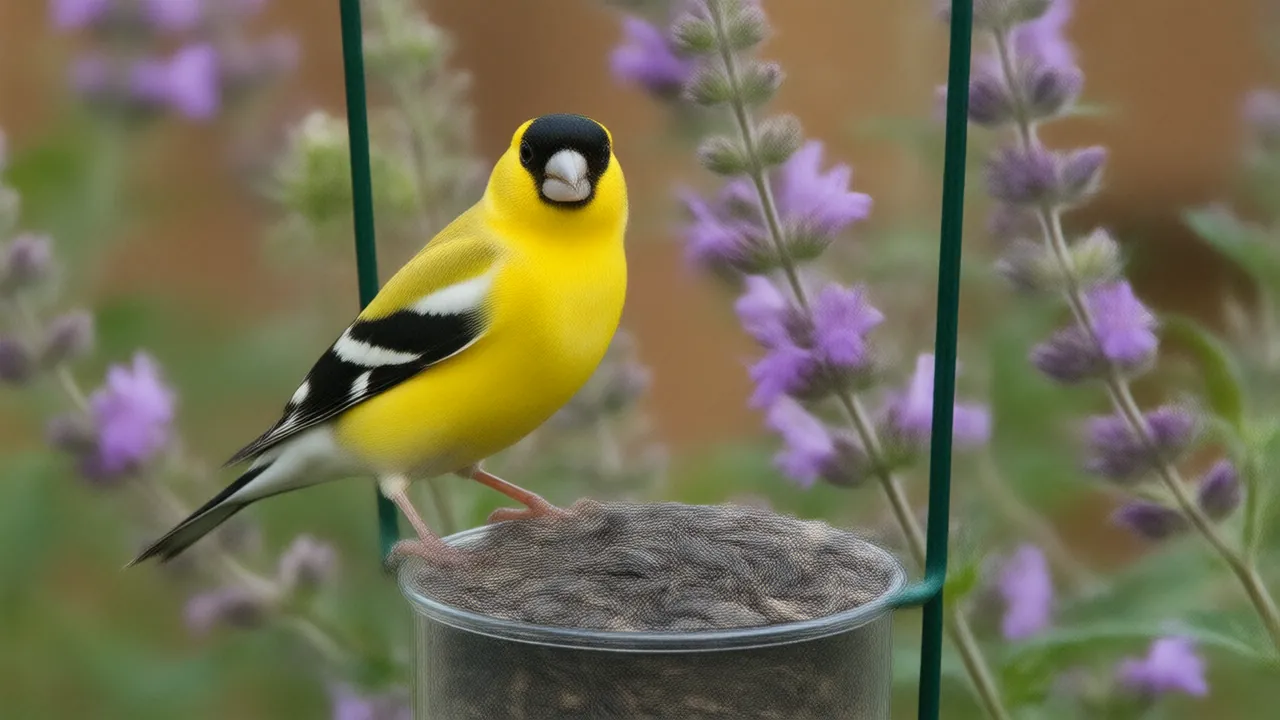
American Goldfinches, Lesser Goldfinches in the West and Southwest, Pine Siskins and House Finches all feed on it, and in some winters redpolls come to it in the northern states. It needs a feeder with tiny ports or a mesh sock. Nyjer loses its appeal as it dries out and molds quickly when wet, so buy smaller bags and shake out any clumps. More in what is nyjer seed.
Millet, corn and peanuts
White proso millet
Small, round and pale, white proso millet is the favorite of birds that feed on the ground: juncos, native sparrows such as White-throated and Song Sparrows, towhees and Mourning Doves. Scatter it on a platform or a low tray rather than putting it in a hanging tube, where those birds rarely feed. House Sparrows and cowbirds love it too, so cut back if they start to crowd out everyone else. Red millet looks similar but is less popular with most birds.
Cracked corn
Cracked corn is inexpensive and feeds doves, jays, quail, wild turkeys, juncos and sparrows. It also feeds squirrels, blackbirds, raccoons and deer, so put out only what disappears in a day. Wet corn molds quickly, and moldy corn can make birds sick.
Peanuts
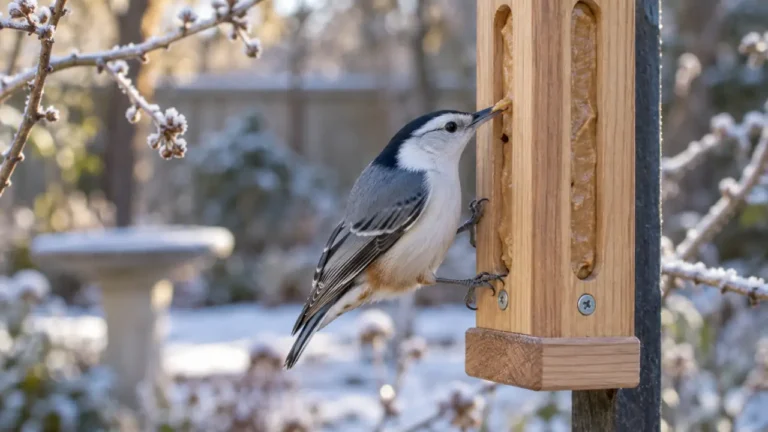
Peanuts are high in fat and protein. Shelled peanuts in a mesh feeder draw woodpeckers, nuthatches, titmice and chickadees, while whole peanuts in the shell on a platform are a magnet for jays. Use only unsalted peanuts, and store them somewhere dry, because moldy peanuts can carry toxins that harm birds.
Seeds to skip, and how to read a seed mix
Inexpensive mixes often contain fillers that most feeder birds toss onto the ground to get at the seeds they want:
- Milo (sorghum): round, reddish-brown seeds. Most eastern feeder birds flick them aside, though doves and quail in the Southwest and West eat them.
- Red millet, wheat and oats: eaten by a few ground birds but largely ignored at feeders.
- Anything salted, flavored or dyed, and seed that smells musty or looks clumped.
Read the ingredient list before you buy. A good general mix is built around black oil sunflower, with white millet and perhaps some safflower, peanuts or sunflower chips. A mix that is mostly milo and wheat mainly feeds the ground under your feeder. The guide on how to choose a bird seed mix goes through labels line by line.
Which seed to buy for the birds you want
| If you want | Offer | In |
|---|---|---|
| The most species with one seed | Black oil sunflower | Tube or hopper |
| Cardinals | Safflower and sunflower | Hopper or platform |
| Goldfinches | Nyjer and sunflower chips | Nyjer tube or mesh sock |
| Juncos, sparrows and doves | White proso millet | Platform or ground tray |
| Jays | In-shell peanuts, a little corn | Platform |
| Woodpeckers and nuthatches | Shelled peanuts, sunflower hearts, suet | Mesh feeder, suet cage |
| Fewer grackles and squirrels | Safflower | Hopper with a pole baffle |
| Less mess under the feeder | Hulled sunflower | Any covered feeder |
What turns up also depends on where you live and the time of year. Juncos and White-throated Sparrows are winter visitors in much of the country, goldfinches crowd nyjer feeders in winter in the South, and in the West you are more likely to see towhees, scrub-jays and Lesser Goldfinches than Blue Jays and cardinals.
Keep seed fresh
- Buy what the birds will eat in a few weeks: more in winter, less in humid summers.
- Store seed in a metal can with a tight lid, somewhere cool and dry. Mice and squirrels can chew through plastic bins and bags.
- Check for clumps, a musty smell, webbing or small moths, and put spoiled seed in the trash.
- In wet weather, fill feeders with only a few days' worth at a time.
The guide to how to store bird seed covers containers, pantry moths and how long seed keeps.
Questions people ask
What type of bird seed attracts the most birds?
Black oil sunflower. Its thin shell and high fat content suit chickadees, titmice, nuthatches, cardinals, finches, jays and woodpeckers alike.
What bird seed do squirrels not like?
Safflower is the usual choice, since many squirrels leave it alone, though some learn to eat it. Seed treated with hot pepper is another option, because birds do not react to the heat the way mammals do.
Is nyjer the same as thistle seed?
No. Nyjer is sometimes sold as thistle, but it comes from a different plant. Nyjer sold in the US is heat-treated so it will not sprout.
Do birds eat milo?
Doves, quail and some other ground birds eat it, especially in the Southwest and West. Most eastern feeder birds toss it aside, so mixes heavy in milo are mostly wasted.
Written by the Backyard Birdcam team with AI assistance. Found something we got wrong? Email shop@smarternewsnow.com and we will fix it. How we write our guides.