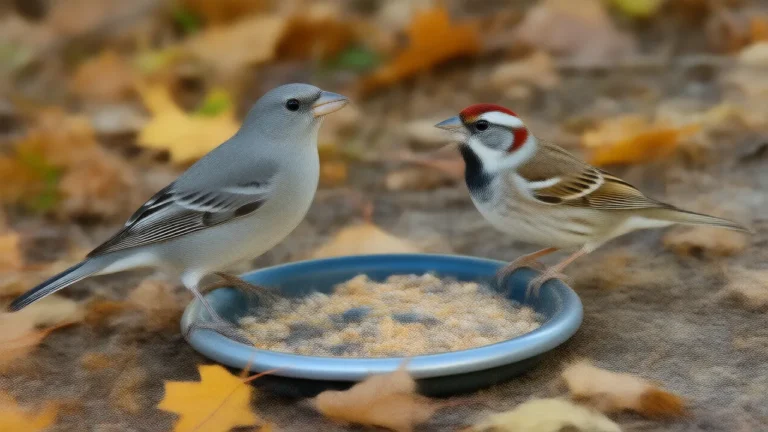
Do Bird Feeders Spread Disease? Risks and Prevention
Learn how crowding, droppings, shared ports and spoiled seed can spread disease at feeders, plus cleaning, reporting and prevention steps.
5 min read
Field guide · Topic
A good feeder in the wrong place goes unused, and a dirty one can spread disease. These guides cover the practical side of feeding birds: the main feeder types and which birds use them, where and how high to hang feeders, poles, hooks and deck mounts, and how to set up a feeding station that several species can share. There are clear routines for cleaning feeders and dealing with wet seed and the mess underneath, plus simple feeders you can build yourself and advice on when to start and stop feeding each year.
Learn how crowding, droppings, shared ports and spoiled seed can spread disease at feeders, plus cleaning, reporting and prevention steps.
5 min read
Have feeders up before the winter birds arrive: September in the North, October in the middle of the country, later in the South. Here is what to hang first.
5 min read
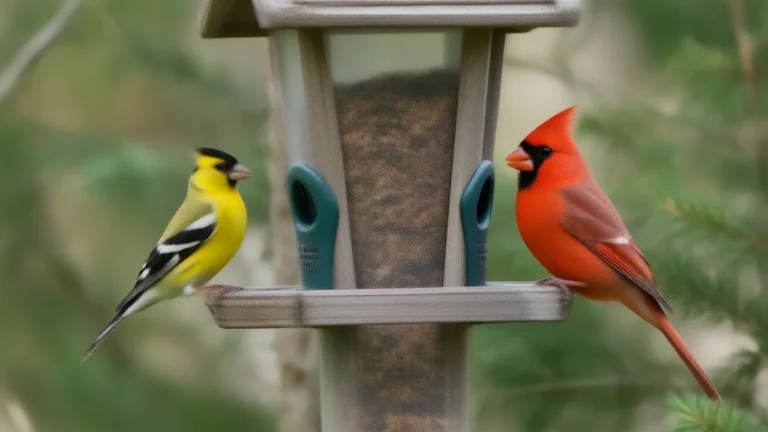
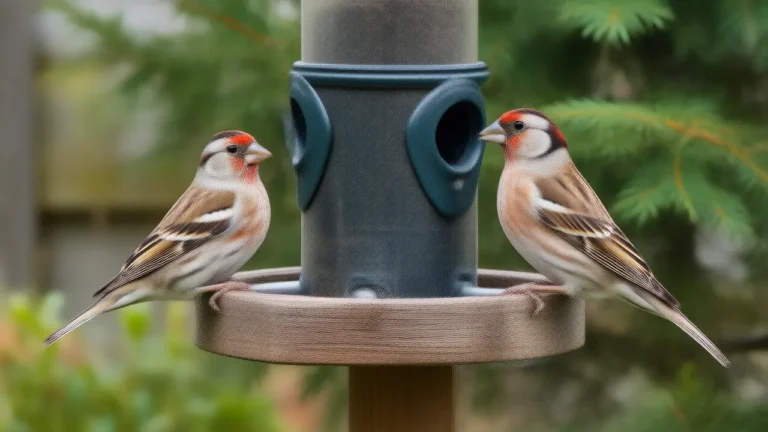
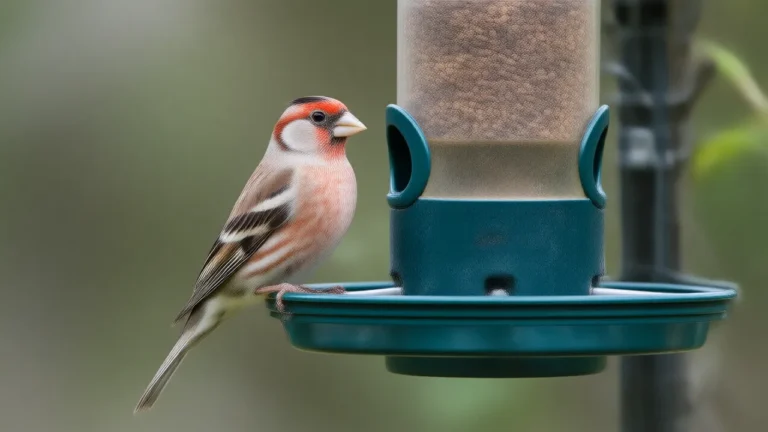
Tube feeders suit chickadees and finches; hoppers suit cardinals and jays. A side-by-side comparison, cleaning steps for each, and how to set up both together.
5 min read
Choose a feeder spot you can watch and maintain, with suitable escape cover and squirrel clearance. Protect hazardous glass directly rather than relying on a safe-distance rule.
5 min read
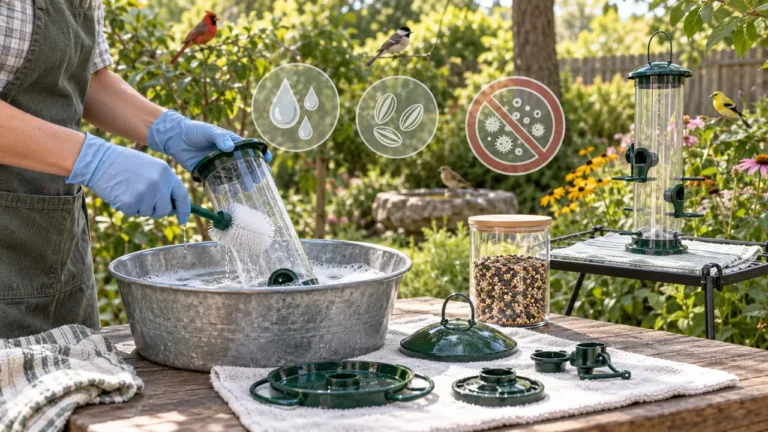
A dirty feeder can spread disease between birds. Here is the scrub, soak, rinse and dry routine, the right cleaning mixes, and a schedule that fits each type of feeder.
7 min read
Tube, hopper, platform, suet, finch and nectar feeders each suit different birds. Here is what each one holds, who uses it, and how much upkeep it needs.
6 min read