Quick answer
Start feeding birds in fall just before winter birds arrive: mid September to early October in the northern states, October in the middle of the country, and late October to November in the South. Put up black oil sunflower and water first, add suet when days stay cool, then millet for juncos and sparrows. In bear country, wait until bears den.
In this guide
There is no wrong date to start feeding birds, but the most useful time is just before your winter birds arrive: September to early October in the northern states, October across the middle of the country, and October to November in the South and along the Pacific coast. Feeders that are up and familiar before the first hard freeze are the ones birds rely on when snow arrives.
Start with black oil sunflower and clean water. Add suet once the days stay cool, and millet low to the ground as juncos and sparrows show up. If you live in bear country, wait until the bears have denned.
Can you feed birds in fall and winter without harming them?
Yes. Winter is when feeding helps birds most: insects are hidden or dormant, snow covers seed on the ground, and the days are too short for a small bird to find all it needs. A chickadee has to eat enough in daylight to get through a long, freezing night.
Fall feeding does not stop birds from migrating. Migration is triggered mainly by changing day length and a bird's internal rhythms, not by how much food is around, and migrants set off while natural food is still plentiful. The same goes for hummingbirds: leaving a nectar feeder up in fall will not hold one back. Keep it up until about two weeks after you see the last one; the guide to when to take down hummingbird feeders explains why stragglers benefit.
Birds that visit feeders also do not become dependent on them. They keep foraging widely and visit several food sources in a day. For a closer look at the season's movement, see when birds migrate in the fall.
When to start feeding birds in fall, region by region
These windows are guides, not rules. A cold early fall moves them earlier; a warm one moves them later.
| Region | Have feeders up by | Winter birds arriving |
|---|---|---|
| New England, upper Midwest, northern Plains | Mid September to early October | Dark-eyed Juncos, American Tree Sparrows, White-throated Sparrows; Red-breasted Nuthatches and Pine Siskins in some years |
| Mid-Atlantic, Ohio Valley, central Plains | Early to mid October | Juncos, White-throated Sparrows, Purple Finches in some years; White-crowned Sparrows mainly in the Ohio Valley and Plains |
| Southeast and Gulf states | Late October to November | Yellow-rumped Warblers, Chipping Sparrow flocks, more American Goldfinches, juncos in the upper South |
| Rocky Mountains and Great Basin | September to October; later in bear country | Juncos of several color forms, mountain birds moving down from high country |
| Pacific Northwest | October | Juncos, Golden-crowned and White-crowned Sparrows, Varied Thrushes |
| California and the Desert Southwest | October to November | White-crowned Sparrows, Yellow-rumped Warblers |
If you already feed year-round, fall is simply the time to change the menu and step up cleaning, since feeder traffic climbs through the season.
Which feeders to hang first
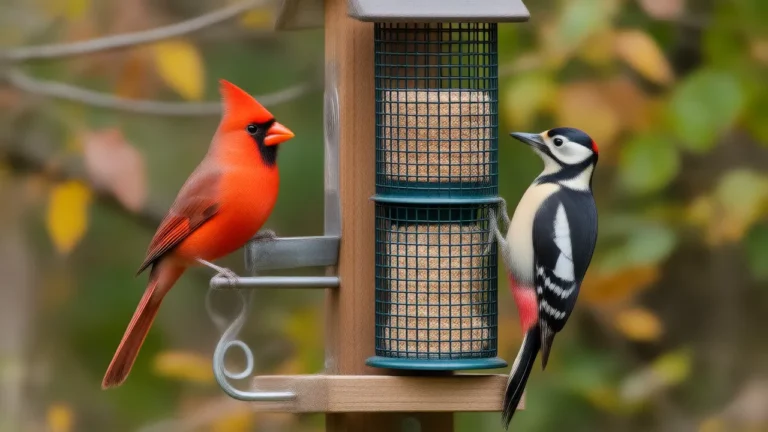
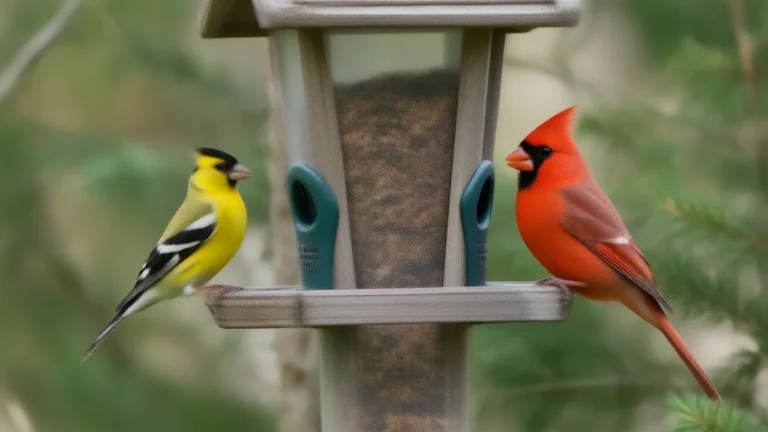
- Black oil sunflower in a tube or hopper. It feeds the widest range of birds, from chickadees and titmice to cardinals and finches, so it is the one feeder to put up first.
- Water. A shallow bath 1 to 2 inches deep draws birds that never eat seed. Switch to a heated bath or add a de-icer once nights freeze.
- Suet. Hang it once the days stay cool, so it does not soften and spoil. Woodpeckers, nuthatches and wrens will find it.
- Millet or a seed mix on a low platform. Put it out as the juncos and native sparrows arrive; they feed on or near the ground.
- Nyjer or sunflower chips. For goldfinches, which are drab olive-brown in winter and easy to mistake for another bird, and for siskins in the years they come south.
- Peanuts. Shelled, unsalted peanuts in a mesh feeder are a favorite of jays, woodpeckers and titmice as it gets colder.
For the full cold-weather menu, see what to feed birds in winter.
Why a new fall feeder can stay quiet at first
September and early October are often slow at feeders, and it is easy to think something is wrong. It usually is not. Wild seed, berries and insects are at their most plentiful, young birds are spreading out, and many residents are busy storing food. Traffic tends to pick up with the first hard frosts and climbs sharply with the first snow.
A brand-new feeder also has to be found. That can take a few days in a yard with lots of birds, or a few weeks where there are fewer. Starting early gives birds time to learn the spot before they truly need it. Seed heads left standing in the garden, a brush pile and leaf litter under shrubs add natural food and cover that bring birds into the yard in the first place.
Special cases: bears, winter hummingbirds and time away
Bear country
Black bears are active into late fall, fattening up before winter, and a seed feeder is an easy meal that teaches them to visit houses. Where bears live, wait until they have denned, often in November or December depending on the region, the food supply and the weather, and take feeders down again in early spring. See feeding birds in bear country for safer options.
Hummingbirds that stay late
Along the Gulf Coast and in parts of the Southeast, a few hummingbirds, often western species, spend the winter. If one shows up at a nectar feeder you left out, keep it clean and filled through the cold months.
Migrants passing through
From September into October, birds heading south stop in yards to rest and refuel. In the East, Rose-breasted Grosbeaks may take sunflower for a few days on their way through. Warblers, vireos and thrushes rarely eat seed at all, but they come to water and to shrubs loaded with fall fruit, such as dogwood, spicebush and viburnum. A bird bath with a slow drip, set near shrubs, is one of the best ways to see them before your winter birds settle in.
Going away
Taking a break is fine; birds have other food sources. If you can, avoid letting feeders run empty in the middle of a hard freeze or a snowstorm, when a lost meal matters most.
Your fall setup checklist
- Clean every feeder. Scrub with hot soapy water, soak in 1 part bleach to 9 parts water for ten minutes, rinse well and let it dry fully. The guide to cleaning a bird feeder has step-by-step instructions.
- Check old seed. Throw out anything clumped, musty, moldy or webbed with moth larvae.
- Buy fresh seed and store it in a metal can with a tight lid, somewhere cool and dry.
- Place feeders with care: provide squirrel clearance and escape cover, and treat hazardous glass with exterior marks no more than 2 inches apart or a full exterior screen. Follow window-protection guidance; distance alone is not a safeguard.
- Fix baffles and poles before the ground freezes.
- Plan for snow: feeders you can reach in boots, with a path you are willing to shovel.
- Rake up hulls and old seed under summer feeders to keep mold and rodents down.
- Leave seed heads and leaf litter in garden beds for natural food and insects.
- Clean out nest boxes and leave them up for winter roosting.
Questions people ask
When should you put bird feeders out for winter?
A few weeks before the first hard freeze, so birds learn the spot: roughly September to early October in the North, October in the middle states and October to November in the South.
Can you feed birds in winter?
Yes. Winter is when feeding helps birds most, since natural food is scarce and nights are long and cold. Keep feeders clean and filled steadily through storms.
Does feeding birds in fall stop them from migrating?
No. Migration is driven mainly by day length and internal rhythms, not food supply, so feeders and nectar left up in fall do not hold birds back.
What should you feed birds first in fall?
Black oil sunflower in a tube or hopper, plus clean water. Add suet, millet for ground feeders and nyjer for goldfinches as the season goes on.
Written by the Backyard Birdcam team with AI assistance. Found something we got wrong? Email shop@smarternewsnow.com and we will fix it. How we write our guides.