Quick answer
Yes. Feeders can increase disease transmission by concentrating birds around shared food, perches, water and contaminated ground. Reduce risk with regular washing, complete drying, fresh dry seed, clean ground and less crowding. Do not diagnose a bird from appearance; report unusual illness or deaths and follow current state and federal guidance.
In this guide
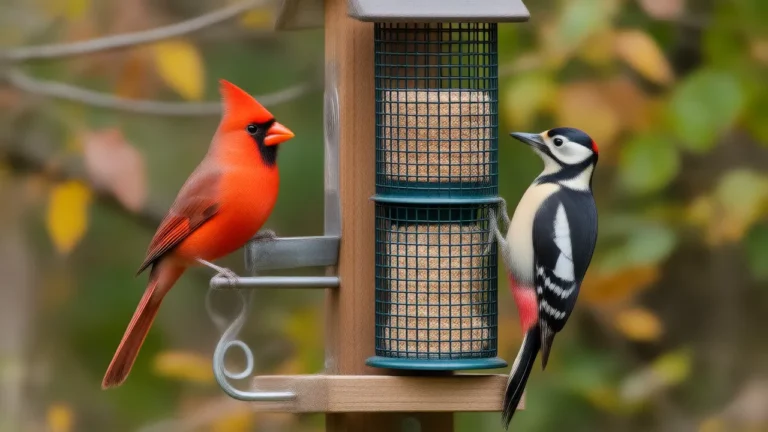
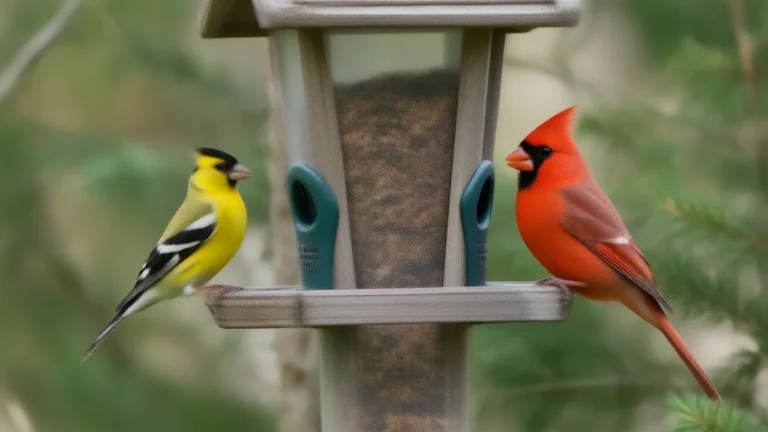
Bird feeders can increase disease transmission because they bring many birds to the same food, perches, water and ground. Droppings, eye discharge, saliva, spoiled seed and contaminated surfaces can move pathogens between visitors. The feeder does not create the disease, but crowding and poor hygiene can amplify it.
Risk is not a reason to panic or diagnose a bird from a photo. Keep feeders clean and dry, reduce crowding, watch for unusual illness or deaths, and follow current state or federal advice when a problem appears.
How disease can spread at a feeder
| Route | Feeder example | Prevention focus |
|---|---|---|
| Fecal-oral | Droppings contaminate tray seed, ground seed or birdbath water. | Clean surfaces and ground, discard contaminated food, refresh water. |
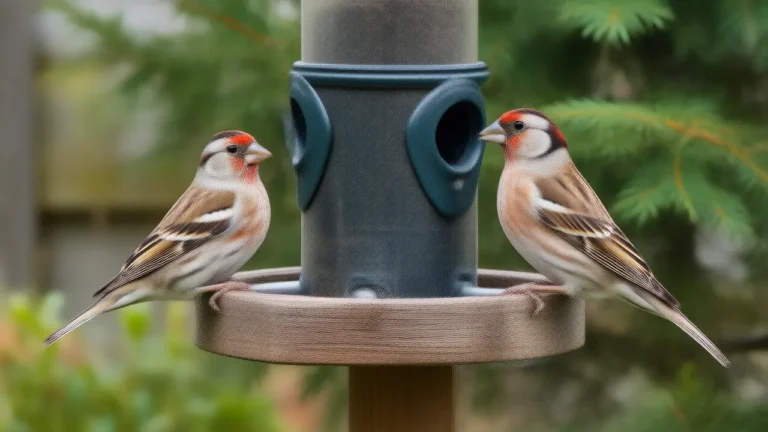
| Eye or respiratory secretions | Birds rub faces against shared tube ports and perches. | Clean contact points and reduce crowding. |
| Direct contact | Many birds compete shoulder to shoulder at a small feeder. | Space resources and avoid one congested station. |
| Wet or spoiled food | Seed clumps, decomposes or grows mold in a tray or hopper. | Offer dry seed in smaller amounts and improve drainage. |
| Contaminated equipment | A brush, gloves or storage scoop moves debris between feeders. | Use dedicated tools and clean them after use. |
California’s Wildlife Health Lab explains that feeder crowding increases opportunities for transmission. It describes fecal-oral spread for salmonellosis and contaminated surfaces for avian pox. These routes are reasons for hygiene, not a way to identify a disease without testing.
Routine prevention checklist
- Clean seed and suet feeders every week or two, and more often during heavy use or wet weather.
- Take feeders apart so hidden residue can be scrubbed away.
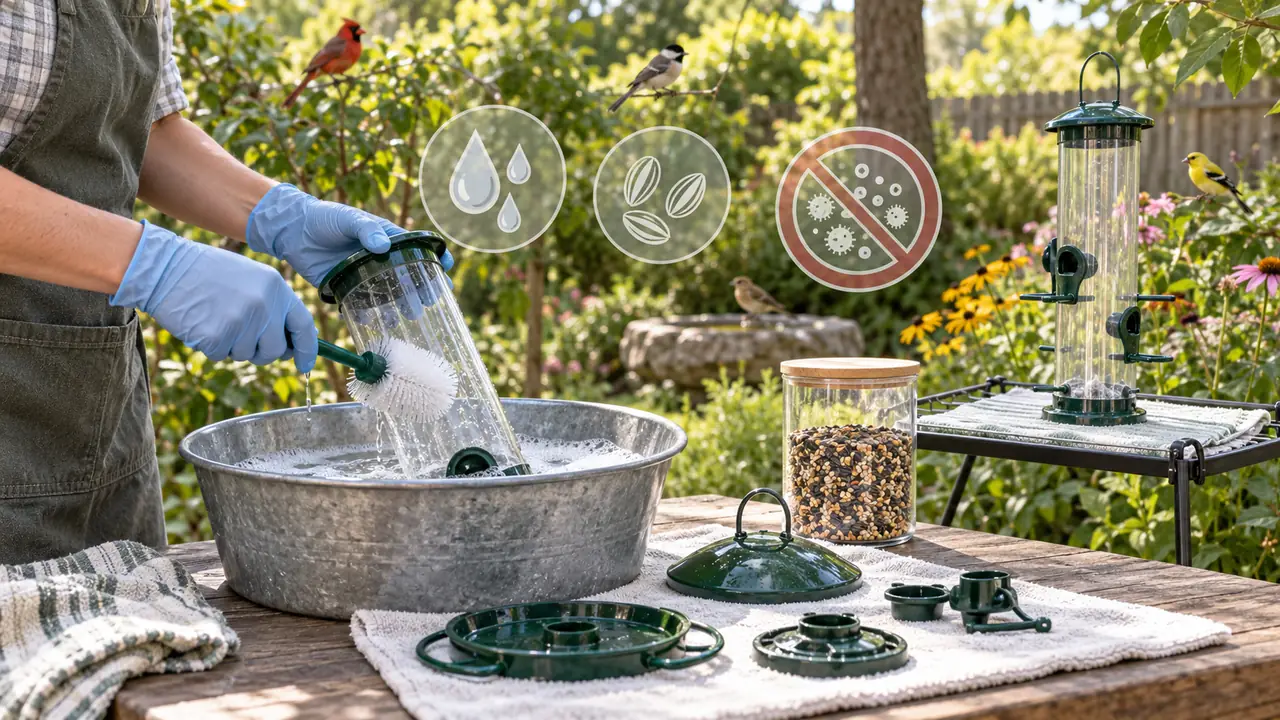
- Wash with warm water and dish soap, rinse thoroughly and let every part dry completely.
- Discard wet, clumped, moldy or foul-smelling seed; do not scatter it on the ground.
- Rake or collect hulls, droppings and spoiled food beneath the station without raising unnecessary dust.
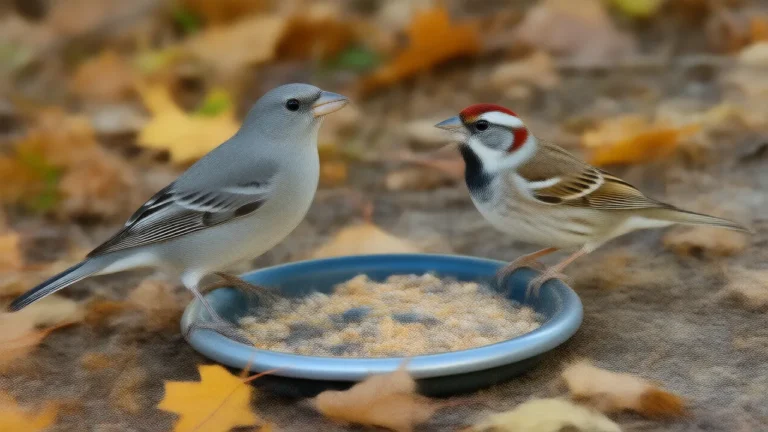
- Rotate ground-feeding areas and put out only what birds will consume promptly.
- Use feeders that can be fully washed and provide enough space to reduce crowding.
- Store seed cool and dry in a clean, pest-resistant container.
Project FeederWatch’s current safe-feeding guidance recommends regular washing, complete drying, tidy ground and gloves when handling feeders. It also recommends a mask when raking or sweeping beneath feeding areas. Penn State Extension’s disease-risk guide emphasizes daily quantities for open platforms, mold removal and rotating ground-feeding spots.
The detailed bird-feeder cleaning guide covers disassembly and material-safe cleaning. Check the feeder maker’s instructions before using a dishwasher or disinfectant.
When and how to disinfect
Routine soap-and-water cleaning removes debris that can shield pathogens. During heavy use, local disease reports or a sick-bird observation, disinfection adds another step. Project FeederWatch gives an example of one part household bleach to nine parts water for a 10-minute soak after cleaning, followed by careful rinsing and complete drying.
Never mix bleach with ammonia, vinegar or another cleaner. Work outdoors or with suitable ventilation, protect skin and eyes, keep products away from children and animals, and follow the product label. If the feeder material cannot tolerate the method, use the manufacturer’s approved alternative.
What to do if a bird looks sick
- Observe from a distance. Do not catch, medicate or hand-feed the bird.
- Keep pets and children away from the bird, droppings and contaminated surfaces.
- Record the date, location, species if known, behavior and number of affected birds.
- Contact the state wildlife agency or a licensed wildlife rehabilitator for local instructions.
- Clean and consider disinfecting feeders and baths.
- Ask whether feeders should be removed temporarily and when they may return.
Fluffed feathers, lethargy, crusty eyes, growths or labored movement can have multiple causes. A camera clip can document behavior without approaching, but it cannot confirm salmonellosis, conjunctivitis, avian pox or bird flu. The sick-bird observation guide helps organize what to report without substituting for a professional.
Project FeederWatch notes that temporarily removing feeders may disperse birds in some settings but can concentrate them at neighboring feeders where feeding is widespread. Follow local outbreak guidance rather than using one fixed pause period everywhere.
Bird flu is not the only feeder concern
The U.S. Fish and Wildlife Service’s current avian-influenza page says feeders are unlikely to increase bird-flu spread because the species that typically visit feeders are not commonly infected. The same page warns that feeders concentrate passerines and can increase transmission of other diseases, including salmonella, E. coli and mycoplasma. For the poultry, local-notice and exposure distinctions, read the dedicated avian influenza and bird feeders guide.
This is date-sensitive. Local detections, poultry exposure or agency orders can change the advice. Recheck the USFWS, USDA and state wildlife agency before acting, especially if domestic poultry or captive birds are nearby.
The CDC’s guidance for bird hobbyists advises regular feeder cleaning, disposable gloves, handwashing and avoiding unprotected contact with sick or dead animals. Report unusual deaths through the current state or federal channel.
Protect people and pets during cleanup
- Wear disposable gloves and wash hands with soap and water afterward.
- Keep cleaning tools outside food-preparation areas.
- Avoid touching the face while handling seed, droppings or dirty parts.
- Use a mask when raking or sweeping dusty debris, as Project FeederWatch recommends.
- Keep cats, dogs and backyard poultry away from sick birds and carcasses.
- Do not handle a dead bird unless the responsible agency tells you how.
For wet or spoiled food, use the moldy-seed guide. A clean feeder refilled with damp seed quickly becomes a new problem.
Can feeding continue safely?
Responsible feeding lowers risk but cannot make a shared wildlife site sterile. If you cannot maintain the feeder, pause feeding and use native plants, seed heads, insects, shelter and water managed as current local guidance directs. Project FeederWatch describes native gardening as a valuable alternative that disperses birds across a broader habitat.
When feeding continues, use several cleanable stations rather than one congested tray, refill modestly, and watch the ground as carefully as the feeder. The goal is fewer contaminated contact points and less crowding.
Bottom line
Yes, feeders can help spread disease by concentrating birds and contaminated material. Regular washing, complete drying, fresh seed, clean ground, lower crowding and prompt reporting reduce risk. Do not diagnose from appearance, and recheck current local advice whenever sick or dead birds appear.
Sources and verification
- U.S. Fish and Wildlife Service: avian influenza — current feeder, wild-bird and reporting context.
- CDC: bird hobbyists and bird flu — human-safety precautions.
- California Wildlife Health Lab — feeder-associated diseases and transmission routes.
- Penn State Extension: reducing disease risk — crowding, ground and seed management.
- Project FeederWatch: feeding birds safely — current cleaning, disinfection and sick-bird response.
- Cornell Lab: how to clean a bird feeder — cleaning frequency and method.
Questions people ask
What diseases can spread at bird feeders?
Feeder-associated concerns include salmonellosis, mycoplasmal conjunctivitis, avian pox and trichomonosis. Appearance alone cannot confirm which disease is present.
How often should bird feeders be cleaned to reduce disease?
Current Project FeederWatch guidance suggests every week or two for seed and suet feeders, more often during heavy use, wet weather or a local disease concern.
Should you take feeders down if you see a sick bird?
Clean and consider disinfecting immediately, then ask the state wildlife agency whether temporary removal is appropriate. Local feeder density and the suspected transmission route affect the advice.
Do bird feeders spread avian influenza?
Current USFWS guidance says typical feeders are unlikely to increase bird-flu spread because common feeder species are not often infected, but feeders can spread other diseases. Recheck current local guidance.
Written by the Backyard Birdcam team with AI assistance. Found something we got wrong? Email shop@smarternewsnow.com and we will fix it. How we write our guides.