Quick answer
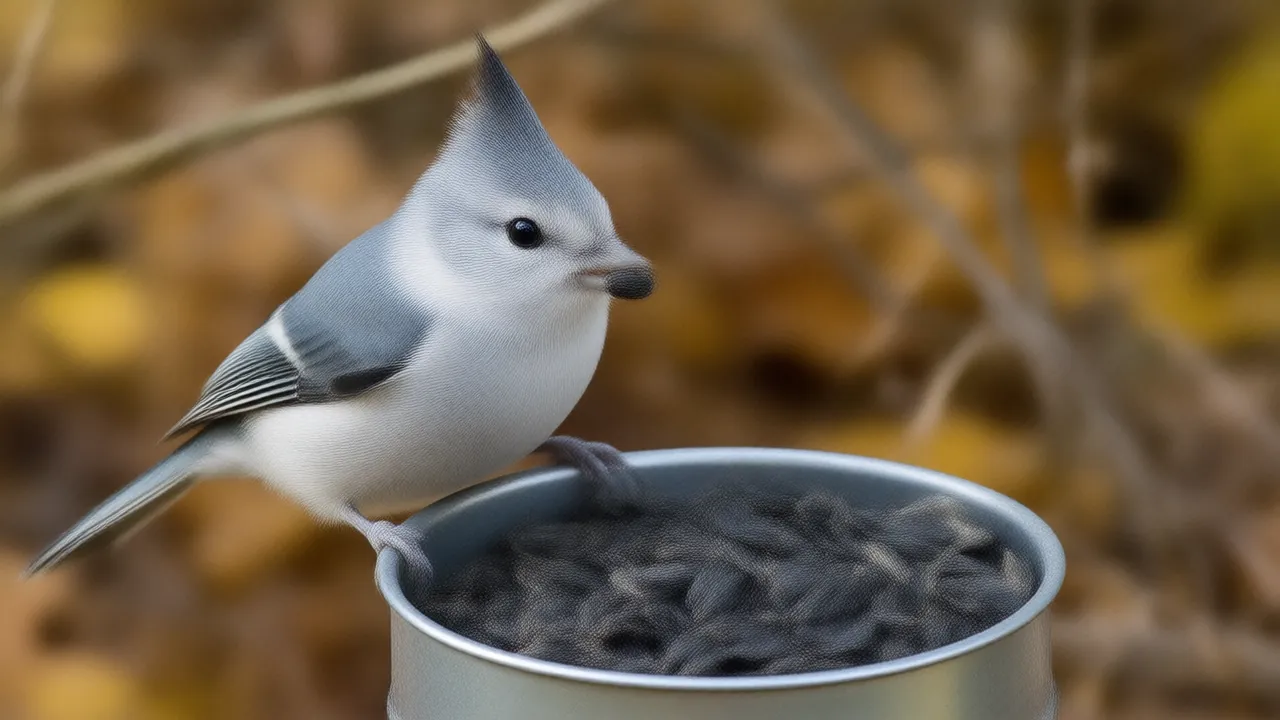
Yes. Black oil sunflower seed is one of the best all-round foods for backyard birds. Its thin shell is easy for small bills to crack, it is rich in oil for energy, and it draws more feeder species than almost any other single seed, from chickadees and cardinals to finches and nuthatches. Offer it raw and unsalted.
In this guide
Yes. If you could offer only one seed, black oil sunflower would be the sensible choice for most US yards. It is small, black and thin-shelled, and it is packed with oil, which gives birds the calories they burn keeping warm and active. Most seed-eating birds that visit feeders will eat it.
It has drawbacks, mainly shells under the feeder and its popularity with squirrels and blackbirds, but none that outweigh its value as the main seed in the feeder. Here is who eats it, why it works so well, and when the hulled version is the better buy.
Why the thin shell and high oil matter
Black oil sunflower comes from sunflower varieties grown for oil. Compared with the larger striped sunflower seed, it has:
- A thinner, softer shell. Chickadees, titmice, finches and nuthatches open it easily. Striped seed's thick shell is hard work for small bills, and some small birds give up on it.
- More oil by weight. Oil means fat, and fat is the most concentrated energy a bird can get. Small birds use up much of their fat reserves keeping warm through a winter night, and they refuel first thing in the morning.
- More food per pound. The shell is lighter, so more of each bag is kernel.
That combination is why it works as a single, do-everything seed. Striped sunflower still has a place on a platform feeder for cardinals, jays and grosbeaks, which crack its thick shell easily, but that shell is hard going for many smaller birds.
Which birds eat black oil sunflower seed
| Bird | How it eats the seed | Best feeder |
|---|---|---|
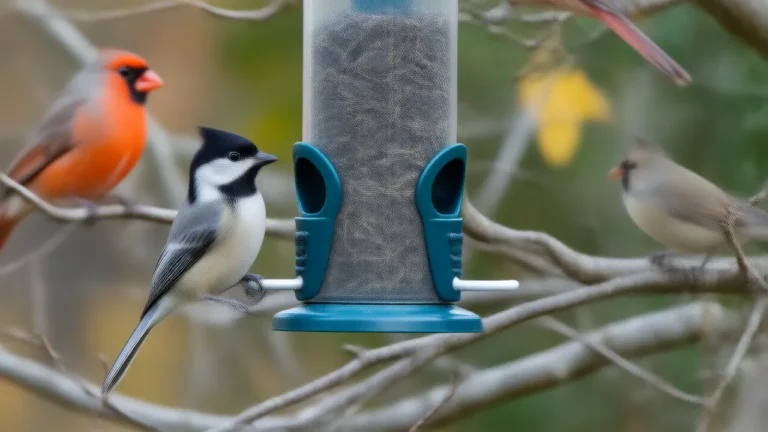
| Chickadees | Take one seed, fly to a branch, hold it with their feet and hammer it open | Tube, hopper, window feeder |
| Titmice | The same grab-and-go style; often hide seeds to eat later | Tube, hopper |
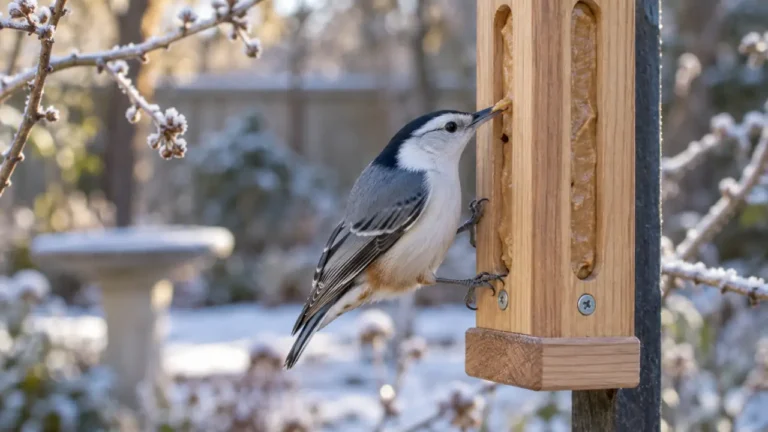
| Nuthatches | Wedge the seed into bark and hammer it open; also store seeds | Tube, hopper |
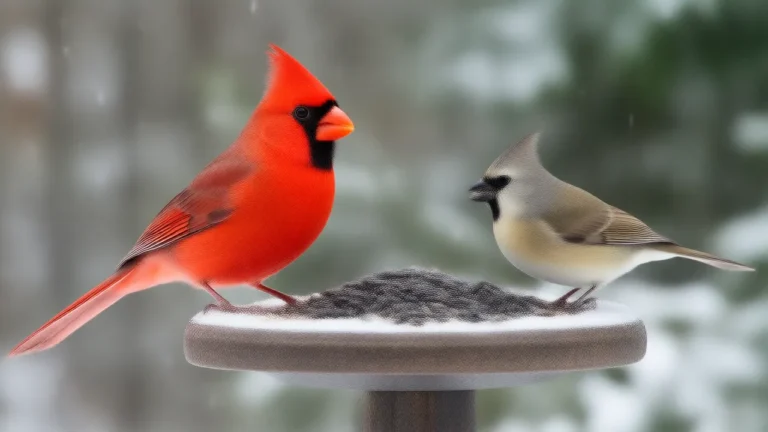
| Northern Cardinal | Cracks the shell in its heavy bill right at the feeder | Hopper, platform |
| House and Purple Finches | Husk seeds on the perch, dropping the shells | Tube, hopper |
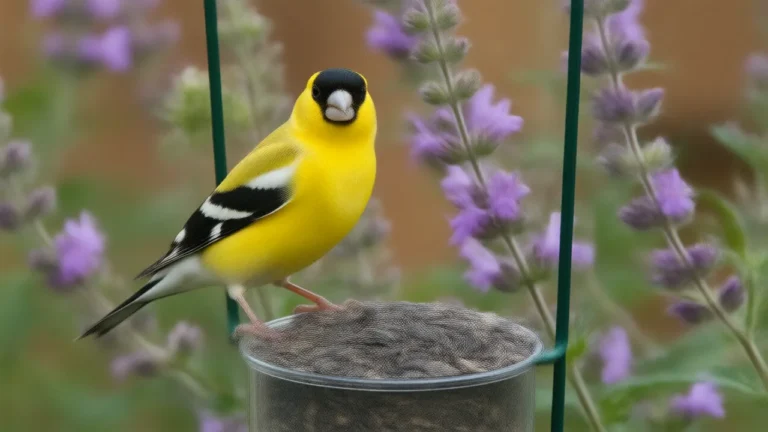
| American Goldfinch and Pine Siskin | Eat it in the shell, and take hulled chips even more readily | Tube, mesh feeder |
| Blue Jay and other jays | Hold the seed under a foot and hammer it; carry several away at once | Platform, hopper |
| Grosbeaks | Crack it easily in a very thick bill | Platform, hopper |
| Red-bellied Woodpecker | Carries seeds to a crack in bark to open them | Hopper, platform |
| Mourning Doves, juncos and sparrows | Pick up kernels and chips that others drop | Ground or low platform |
Which grosbeak you see depends on where you live and the season: Rose-breasted in the East and Black-headed in the West during the warm months, and Evening Grosbeaks in the North in some winters.
In late spring and summer, watch for parents bringing fledglings to the feeder. Young chickadees, titmice and cardinals often follow their parents in, and a sunflower feeder is where many people first see a whole family at once.
Birds that mostly ignore it include hummingbirds, orioles, robins, bluebirds, wrens and warblers, which live on insects, fruit or nectar. Most woodpeckers are more interested in suet and peanuts, though several will take sunflower too.
Pros and cons at a glance
| Pros | Cons |
|---|---|
| Eaten by more feeder birds than almost any other single seed | Shells pile up under the feeder |
| Thin shell suits small bills | Squirrels love it |
| High in oil for winter energy | Grackles and other blackbirds eat it too |
| Works in tube, hopper, platform and window feeders | Dropped seed sprouts in spring |
| Widely sold and easy to store | Hulls can smother grass and slow plants beneath |
Handling the downsides
- Squirrels. A pole with a baffle, placed well away from trees and roofs, protects any seed. Switching seed alone rarely solves a squirrel problem.
- Blackbird flocks. A tube feeder with short perches, or a cage around it, makes life harder for big birds. Safflower is a useful swap for the weeks they are around; the two seeds are compared in safflower vs sunflower seed.
- Sprouts. Pull seedlings under the feeder in spring, or use hulled seed: chips can't sprout, and whole hearts rarely do.
- Shells on the lawn. Rake them up regularly, put a tray under the feeder, or hang it over mulch or gravel. Why the hulls cause trouble is explained in sunflower hulls killing grass.
When to switch to hulled sunflower
Hulled sunflower, sold as hearts, chips or kernels, is the same seed with the shell removed. It costs more per pound, and it earns that price when:
- The feeder is over a deck, patio or balcony. No shells means far less to sweep, and nothing raining onto the neighbors below.
- It hangs over lawn or garden beds you want to keep healthy.
- You want more goldfinches. They take hulled chips eagerly, and small birds eat faster without shells to crack.
- It is very cold. Birds get calories without spending time and energy on shells, which matters on the shortest days of winter.
Whole seed or hearts is mostly a trade of money for tidiness; sunflower hearts vs whole sunflower seeds goes through the choice in detail.
The catch is spoilage. Without a shell, kernels soak up moisture and turn moldy quickly. Use a feeder with a roof and drainage, put out only what birds will finish in a day or two during wet weather, and don't pile chips on an open tray in the rain.
Buying, storing and serving it well
- Raw and unsalted only. Roasted, salted or flavored snack seeds are not bird food; see are salted sunflower seeds bad for birds.
- Buy what you'll use in a month or so, more in winter and less in summer.
- Store it in a metal can with a tight lid in a cool, dry garage or shed. Metal keeps out mice; a sealed lid keeps out damp and pantry moths.
- Check before you fill. Clumps, a musty smell, webbing or mold mean it goes in the trash, not the feeder. Moldy seed can carry toxins that make birds sick, so this is one place not to be thrifty.
- Clean feeders every two weeks or so, more often in wet or humid weather, and clear away old shells and wet seed underneath.
Should it be your main seed?
For most yards, yes. Fill your main hanging feeder with black oil sunflower, then add other foods to widen the guest list: nyjer for goldfinches, suet for woodpeckers and nuthatches, white millet on a low tray for juncos, doves and native sparrows, and safflower if cardinals are your favorites or squirrels and grackles are a problem. Skip cheap mixes heavy in milo, wheat or red millet; most feeder birds flick those seeds onto the ground. A rundown of every common option is in types of bird seed.
Start this week with one feeder of black oil sunflower in a spot you can see, keep it clean and full, and watch who comes. The birds will tell you what to add next.
Questions people ask
What birds eat black oil sunflower seeds?
Chickadees, titmice, nuthatches, cardinals, House and Purple Finches, goldfinches, jays, grosbeaks and some woodpeckers. Doves, juncos and sparrows pick up the pieces others drop.
Is black oil sunflower better than a seed mix?
For most feeders, yes. Cheap mixes often contain milo, wheat or red millet, which most feeder birds toss aside. A mix built mainly on sunflower is fine.
Do black oil sunflower seeds sprout under the feeder?
Whole seeds that land on soil can sprout in spring. Hulled chips can't sprout and hearts rarely do, so hulled seed is the tidier choice over garden beds.
Can you feed black oil sunflower seed all year?
Yes. Birds eat it in every season. In hot, humid weather put out smaller amounts and clean the feeder more often so the seed stays fresh.
Written by the Backyard Birdcam team with AI assistance. Found something we got wrong? Email shop@smarternewsnow.com and we will fix it. How we write our guides.