Quick answer
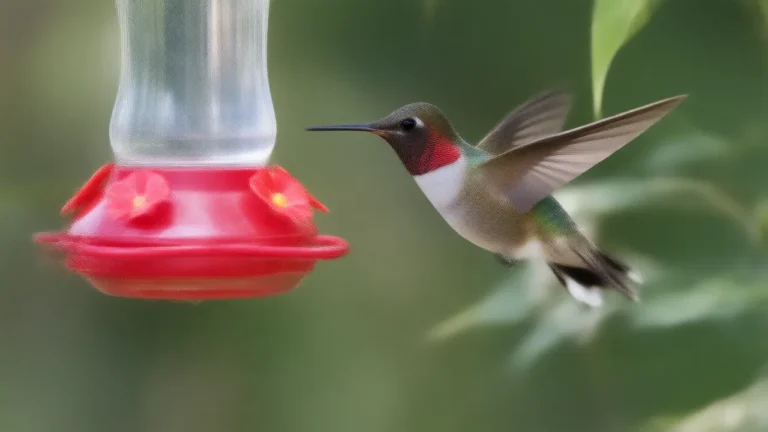
Take hummingbird feeders down about two weeks after you see the last hummingbird of the season. In most of the eastern and central US that means some time in October, earlier in the far North and later near the Gulf. Feeders do not stop hummingbirds from migrating, and where hummingbirds winter, such as the Pacific Coast, feeders can stay up all year.
In this guide
Take hummingbird feeders down about two weeks after you see the last hummingbird of the season. In most of the eastern and central US that lands somewhere in October, a little earlier in the far North and later toward the Gulf Coast. Along the Pacific Coast and in parts of the Southwest, some hummingbirds stay all year, so feeders can too.
Leaving a feeder up will not stop a hummingbird from migrating. It only helps the late travelers and stragglers that pass through after your local birds have left.
The two-week rule
The simplest way to time it is to watch your own feeder rather than the calendar. Note the date you last see a hummingbird, keep the feeder clean and filled for about two more weeks, and take it down if nothing else shows up. Those extra days are for migrants from farther north, which often arrive after your summer birds are gone. Audubon gives the same advice: in the fall, keep feeders up for two weeks after you see the last bird using them (Audubon, How to Create a Hummingbird-Friendly Yard, checked October 21, 2026).
Fall migration is spread out. In the East, adult male ruby-throated hummingbirds start leaving in late July and August, females follow, and young birds hatched that summer often travel last. So a quiet week in early September does not mean the season is over. Visits tend to thin out gradually, then stop.
Write the date of your last hummingbird sighting on a calendar each fall. After two or three years you will know your yard's pattern, and next year's timing becomes easy. For the bigger picture, when birds migrate in the fall goes month by month, and how to track bird migration shows how radar forecasts flag the busy nights.
Regional timing for taking down hummingbird feeders
Dates shift with latitude, elevation and the weather in any given year, so treat this as a rough guide and let your own sightings decide.
| Region | When most hummingbirds leave | What to do |
|---|---|---|
| Northern states (New England, Great Lakes, northern Plains) | Most ruby-throats are gone by the end of September; stragglers into October | Keep a feeder up into early or mid-October, two weeks past the last sighting |
| Mid-Atlantic, Midwest and central states | Migration peaks in September; most are gone by mid-October | Keep a feeder up through late October |
| Southeast and Gulf Coast | Migrants pass through into October; a few western hummingbirds arrive to spend the winter | Consider keeping one feeder up all winter |
| Interior West and Rockies | Rufous hummingbirds pass through from midsummer into September; broad-tailed and black-chinned leave by early fall | Keep a feeder up until two weeks after the last visit, often into early October |
| Pacific Coast and low deserts of the Southwest | Anna's hummingbirds stay year-round, and Costa's in parts of the desert | Keep feeders up all year |
For more on the routes and timing of each species, see the guide to hummingbird migration.
Will a feeder stop hummingbirds from migrating?
No. This is one of the most persistent myths in backyard birding. Hummingbirds migrate in response to changing day length and their own internal rhythms, not because food runs out. A healthy hummingbird leaves on schedule even when a full feeder is hanging outside the window. The Cornell Lab of Ornithology says the same: hummingbirds migrate whether or not feeders are kept up, and the Lab encourages keeping feeders up for several weeks after the last hummingbird leaves the area, in case a straggler needs extra energy for the trip south (All About Birds, Cornell Lab of Ornithology, checked October 21, 2026).
What a feeder does in fall is give migrants a reliable place to refuel. Hummingbirds build up fat before and during migration, and a stop with fresh nectar helps them do it. Taking a feeder down early does not push birds south sooner; it just removes a fuel stop.
A hummingbird that shows up very late in the season is worth a careful look. In the East, a hummingbird at a feeder in November or later may be a western species, such as a rufous hummingbird, that wandered off course. Those late birds are the reason many people in the Southeast keep a feeder going through winter.
Late-season feeder care
As visits thin out, adjust the routine so you are not wasting nectar or serving spoiled food:
- Fill it partway. With only a bird or two visiting, a quarter or half of a feeder is plenty. Less nectar means less waste each time you change it.
- Keep changing it. Nectar lasts longer in cool fall weather than in summer heat, but change it at least weekly, and right away if it turns cloudy or you see mold.
- Keep the recipe the same. One part white sugar to four parts water, boiled or made with clean water, and cooled. No honey, no red dye, no brown or raw sugar, and no artificial sweeteners.
- Watch the forecast. If you keep a feeder up for late birds and a hard frost is coming, bring it indoors overnight and hang it back out at first light. The guide on whether hummingbird nectar freezes explains how cold is too cold.
How to clean hummingbird feeders for winter storage
A feeder put away sticky will be moldy in spring. Clean it thoroughly once the season is over:
- Empty and discard the old nectar.
- Take the feeder apart completely: reservoir, base, ports, flower inserts, bee guards, perches and any rubber gaskets.
- Soak the parts in hot water with a little mild dish soap, or in a mix of white vinegar and hot water, to loosen dried sugar.
- Scrub everything. Use a bottle brush for the reservoir and a small port brush or pipe cleaner for the feeding holes, where black mold tends to hide.
- Treat stubborn mold with a soak in a dilute bleach solution, about 1 part household bleach to 9 parts water, then scrub again.
- Rinse very thoroughly with clean water until there is no smell of soap, vinegar or bleach.
- Dry completely. Let every piece air-dry, ideally in the sun, for a full day. Any moisture left in a sealed container can grow mold over winter.
- Store the parts together in a bag or box in a dry place, away from mice and insects. Replace cracked reservoirs or stiff, split gaskets now so the feeder does not leak next season.
Give the feeder a quick wash again in spring before the first fill. The everyday version of this routine is in how to clean a hummingbird feeder.
Where to keep a feeder up all winter
In a few parts of the country, taking feeders down is optional or simply not needed:
- The Pacific Coast. Anna's hummingbirds live year-round in much of California and north along the coast into Oregon and Washington. They visit feeders all winter and may start nesting as early as winter.
- The desert Southwest. Anna's and Costa's hummingbirds stay through winter in parts of southern Arizona and southern California.
- The Gulf Coast and Florida. A small number of hummingbirds, including western species such as the rufous hummingbird, spend the winter here each year. One clean feeder is enough to serve them.
Anywhere winter nights drop below freezing, a winter feeder needs a plan to keep the nectar liquid, such as bringing it in at night or rotating two feeders. The guide to hummingbirds in winter covers which species you might see and how they cope with cold.
When to put your feeder back out
Hang feeders again a little before hummingbirds usually return to your area, so the first arrivals find food. Ruby-throated hummingbirds reach the Gulf Coast in late winter and early spring and move north through April and May. Putting a clean feeder out a week or two ahead of your usual first sighting is a good habit. The guide on when to put out hummingbird feeders has regional dates.
Questions people ask
Do hummingbird feeders keep hummingbirds from migrating?
No. Migration is triggered by changing day length and the birds' internal rhythms. Hummingbirds leave on schedule even with a full feeder, and a late feeder helps migrants refuel on the way.
Should hummingbird feeders come down after Labor Day?
Not in most places. Many hummingbirds are still migrating in September, and stragglers pass through into October. Keep a feeder up until about two weeks after your last sighting.
Can you leave a hummingbird feeder out all winter?
Yes, where hummingbirds winter, such as the Pacific Coast, parts of the desert Southwest, the Gulf Coast and Florida. Keep the nectar fresh and bring the feeder in on nights that drop below freezing.
What is the best way to store hummingbird feeders for winter?
Take the feeder apart, soak and scrub every piece, rinse well, and let the parts dry completely. Store them together in a dry place and replace any cracked parts before spring.
Written by the Backyard Birdcam team with AI assistance. Found something we got wrong? Email shop@smarternewsnow.com and we will fix it. How we write our guides.