Quick answer
Birds usually stop coming to a feeder because wild food is plentiful, especially in late summer, early fall and spring. Other common causes are a hawk hunting nearby, stale or moldy seed, a dirty or clogged feeder, and changes in the yard such as removed shrubs, construction or a new cat. Clean the feeder, refill with fresh sunflower, and give birds a week or two.
In this guide
When a busy feeder suddenly goes quiet, the cause is usually the calendar, not you. From late summer into early fall, and again in spring, wild food is everywhere and birds simply need feeders less. They come back when the weather turns and natural food runs thin.
If the drop does not match the season, check four things in order: a hawk hunting the yard, stale or moldy seed, a dirty or clogged feeder, and changes nearby such as construction, cut-down shrubs or a new cat. Each one leaves clues you can check in a few minutes.
Why birds stop coming: the causes at a glance
| Cause | What you notice | What to do |
|---|---|---|
| Plenty of natural food | Traffic drops in late summer, early fall or late spring; birds are still singing nearby | Nothing is wrong. Keep a little fresh seed out and wait for colder weather. |
| Migration | One or two species vanish, such as juncos in spring or grosbeaks in fall | Normal. Winter visitors leave in spring; summer residents leave in fall. |
| Molting | Late summer; the birds you do see look scruffy and act secretive | Normal. Birds lie low while they replace feathers. |
| A hawk | The yard empties at once; alarm calls; a pile of feathers under a perch | Make sure dense cover is close by, or take feeders down for a week or two. |
| Stale or moldy seed | Seed level barely drops; clumps, a musty smell, sprouts or webbing | Dump it, clean the feeder, refill with a small fresh batch. |
| Dirty or clogged feeder | Ports blocked with caked seed; droppings on perches | Scrub, rinse, dry completely, clear every port. |
| Changes nearby | New construction, a removed hedge, a new fence, a cat or dog | Restore cover or move the feeder, then give birds time. |
| Bullies | Squirrels, grackles or starlings crowd the feeder | Add a baffle or switch to a feeder those animals cannot use. |
Seasonal lulls are the most common reason
Late summer and early fall
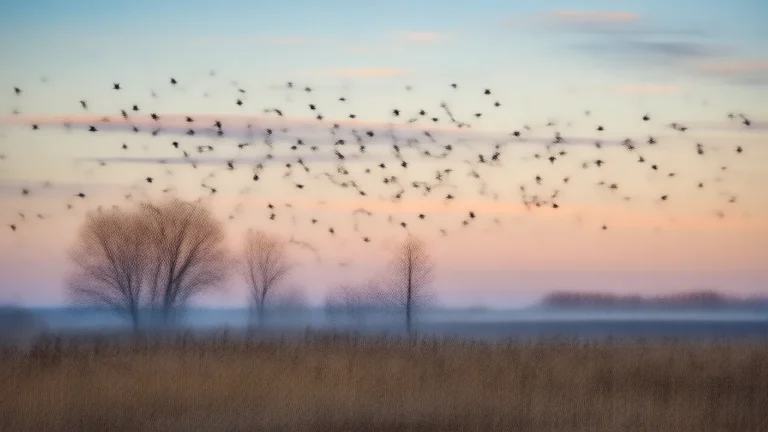
August and September are often the quietest feeder months in much of the US. Grass and wildflower seeds are ripening, insects are still plentiful, and berries are coming in, so birds eat where the food is. Young birds that crowded your feeder in early summer have dispersed, and adults are molting. A bird growing a new set of flight feathers flies less well and tends to stay hidden in thick cover.
Traffic usually picks up again from October into winter, once frost knocks back insects and seed heads have been stripped. Keep one feeder going with a small amount of fresh seed so birds can find it when they need it.
Spring and early summer
In spring, most songbirds switch to insects, because caterpillars and other soft-bodied prey are what nestlings need. Pairs also spread out into separate territories, so a flock of ten chickadees in January may become a single pair in May. Winter visitors leave as well: dark-eyed juncos and white-throated sparrows head north across most of the country, and in the North, pine siskins and redpolls disappear after winters when they came south.
Fall migration
Summer residents leave on their own schedule. Hummingbirds, orioles, rose-breasted grosbeaks and indigo buntings leave most of their breeding range between late summer and mid-fall. If one species vanishes while others stay, migration is the likely reason. The guide to when birds migrate in the fall has the timing by species.
Quick test: stand outside at dawn and listen. If the yard is full of song and calls but the feeder is empty, birds are around and simply eating elsewhere. If the yard is silent too, look for a hawk or a change in the neighborhood.
A hawk has found your feeder
Cooper's hawks and sharp-shinned hawks hunt small birds, and a busy feeder is an easy place to find them, especially from fall through winter. When one is around, songbirds freeze in dense shrubs or leave the area. Signs include a sudden empty yard, loud alarm calls from jays or chickadees, a hawk sitting quietly on a fence or low branch, and a scatter of feathers where it plucked a meal.
Hawks are native birds and protected by law, so the only fix is to make the feeder a harder place to hunt. Keep dense cover, ideally evergreen shrubs, within a short dash of the feeder so small birds have somewhere to go. If the hawk comes back day after day, take the feeders down for a week or two; it will usually move on, and your birds will return soon after you refill. More ideas are in how to protect bird feeders from hawks.
Problems with the seed or the feeder
Stale, wet or moldy seed
Birds are picky about spoiled food. Sunflower seed that has sat for months can go rancid, and any seed that gets wet can clump and grow mold within days in warm weather. Pour some seed into your hand: it should flow freely, look glossy and smell of nothing much. Clumps, a musty smell, sprouting seeds or fine webbing from pantry moths all mean it is time to empty the feeder. The guide to moldy bird seed in a feeder explains how to clean up and prevent it.
A new seed or a new mix
If traffic fell right after you switched brands or bought a cheaper mix, look at what is in it. Mixes padded with red milo, wheat and oats mostly get kicked to the ground by feeder birds. Go back to plain black oil sunflower, or a mix where sunflower and white millet are the main ingredients, and see whether visits return.
A dirty or clogged feeder
Seed that gets damp inside a tube can harden into a plug that blocks the ports, so the feeder looks full while birds cannot get anything out. Droppings and caked hulls on perches are another deterrent, and dirty feeders help spread disease between birds. Take it apart, scrub it, rinse, and let it dry fully before refilling. Step-by-step instructions are in how to clean a bird feeder.
Changes around the yard
Birds judge a feeder by how safe it feels to reach. Trimming a hedge hard, removing a tree, or putting up a new fence can take away the perches and cover they used to approach it. Construction noise and heavy equipment next door can empty a yard for weeks. A new outdoor cat in the neighborhood, or a dog that spends more time outside, has the same effect.
Other changes are easier to miss. A neighbor may have started feeding, so your birds are splitting their time. Squirrels, grackles or European starlings may be crowding smaller birds off the feeder. If you moved the feeder, birds may need a few days to a couple of weeks to find its new spot. Where you can, put back some cover: a potted evergreen, a brush pile, or a feeder moved closer to existing shrubs.
When illness might be involved
Sometimes a drop in numbers follows an outbreak of disease in the local bird population. Watch for birds that sit fluffed up and sluggish at the feeder, finches with red, swollen or crusty eyes, or birds that stay on the ground and let you walk close. These are signs that something is wrong, though only testing can say what.
If you see them, take feeders and bird baths down for a week or two, clean them thoroughly, and rake up seed and hulls underneath. Follow any take-down advice from your state wildlife agency. If you find a sick or injured bird, contact a licensed wildlife rehabilitator rather than handling it. The guide to signs of sick birds at feeders covers what to look for.
If birds still are not coming back
Work through this list over the next two weeks:
- Today: empty the feeder, scrub and dry it, and refill with a small amount of fresh black oil sunflower.
- Today: scatter a handful of seed on a tray or the ground below. Birds spot seed on the ground more easily than seed inside a tube.
- This week: check the cover around the feeder. Birds want shrubs or small trees close enough to reach in a quick flight.
- This week: add a shallow bird bath if you do not have one. Water draws birds in every season.
- This week: watch for a hawk, a cat, or squirrels guarding the feeder, and deal with whichever you find.
- After two weeks: if it is late summer or spring, keep a little fresh seed out and wait. Birds usually return when the season turns and natural food runs low.
Questions people ask
Why did birds stop coming to my feeder all of a sudden?
A sudden, complete drop usually means a hawk is hunting nearby or something in the yard changed, such as a new cat or removed shrubs. A gradual drop in late summer or spring is more often seasonal.
How long does it take birds to come back to a feeder?
After a hawk leaves or a feeder is cleaned and refilled, birds often return within days. After a seasonal lull, they come back when natural food gets scarce, usually as the weather turns cold.
Can old bird seed keep birds away?
Yes. Stale, rancid or moldy seed is often ignored, and wet seed can clog the ports so birds cannot reach it. Dump questionable seed, clean the feeder, and refill with a small fresh batch.
Is it normal to see no birds at the feeder in August?
Yes. Late summer is a slow time at feeders in much of the US, because seeds, insects and fruit are plentiful and many birds are molting. Activity usually picks up again in fall.
Written by the Backyard Birdcam team with AI assistance. Found something we got wrong? Email shop@smarternewsnow.com and we will fix it. How we write our guides.