Quick answer
To attract nuthatches, offer black oil sunflower seed, plain shelled peanuts and suet in feeders they can cling to, such as tube feeders, suet cages and wire mesh peanut feeders. Place them within sight of mature trees, about 10 to 15 feet from a trunk. Add water, leave safe dead limbs standing, and keep feeders full through winter.
In this guide
To attract nuthatches, offer the foods they rely on all year, black oil sunflower seed, shelled peanuts and suet, in feeders they can cling to, and put them within sight of mature trees. Nuthatches are tree-trunk birds. They hunt insects on bark, hide seeds in bark crevices and nest in tree cavities, so a yard with big trees, and a few dead limbs left standing, is the kind they settle into.
The white-breasted nuthatch, the most widespread species, lives year-round across most of the US wherever there are mature trees. Once a pair finds a reliable feeder near its territory, it tends to visit daily in every season, and you will soon recognize its nasal call and headfirst scramble down the trunk.
Which nuthatch will visit your yard?
Four nuthatch species live in the US. Where you live decides which ones you can expect.
| Species | Where and when | How to know it |
|---|---|---|
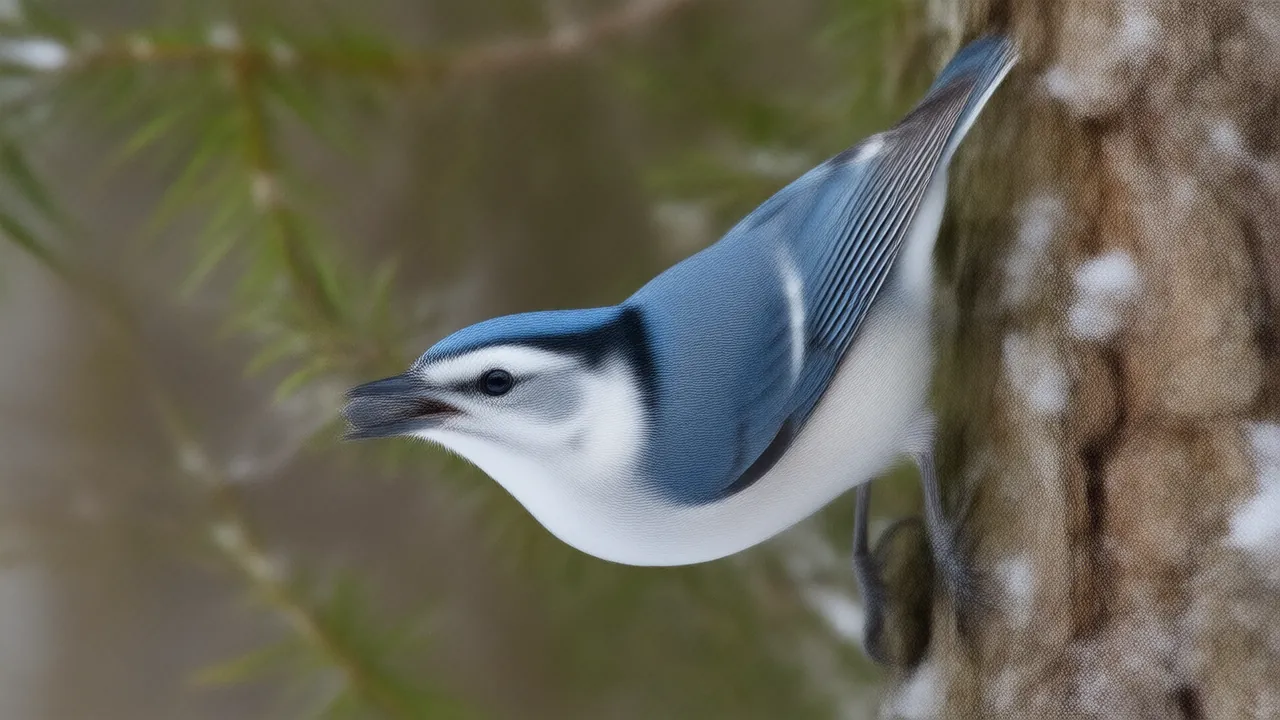
| White-breasted Nuthatch | Most of the US wherever there are mature deciduous or mixed trees; all year | The largest, about 5 to 5.5 inches. Blue-gray back, white face and breast, black cap (grayer on many females), chestnut under the tail. Nasal "yank" call. |
| Red-breasted Nuthatch | All year in northern and mountain conifer forests; farther south in winter, in much larger numbers in irruption years | About 4.5 inches. Black stripe through the eye under a white eyebrow, rusty underparts. Higher, tinny call like a toy horn. |
| Brown-headed Nuthatch | Pine woods of the Southeast; all year | About 4 inches. Brown cap, whitish underparts. Travels in chattering groups; squeaky call like a rubber duck toy. |
| Pygmy Nuthatch | Ponderosa pine forests of the West; all year | About 4 inches. Gray-brown cap, buffy underparts. Moves in busy, high-peeping flocks. |
The white-breasted and red-breasted are the two most people see at feeders, and in winter they often turn up side by side. The guide to white-breasted vs red-breasted nuthatch covers how to tell them apart at a glance.
What nuthatches eat
In spring and summer, nuthatches eat mostly insects and spiders picked from bark: beetles and their larvae, caterpillars and insect eggs. In fall and winter they switch largely to seeds and nuts, such as acorns, hickory nuts, beechnuts and pine seeds. Feeders fill the gap best in the cold months, but a steady supply brings them in all year.
The best feeder foods for nuthatches
- Black oil sunflower seed. The staple. Its thin shell is easy to open, and nuthatches of every species take it.
- Hulled sunflower. Hearts and chips are quick to eat and leave no shells under the feeder.
- Shelled peanuts. Plain and unsalted, whole in a wire mesh feeder or as pieces in a tray.
- Suet. A cold-weather favorite. Plain suet works in winter; in warm weather switch to a no-melt suet dough so it does not turn soft and rancid. See which birds eat suet for the full list of suet visitors.
- Safflower and mealworms. Nuthatches will take safflower, and some will take mealworms, especially while they are feeding young.
Skip salted or flavored nuts and anything seasoned. Bread offers little nutrition and has no place in a feeder.
Why a nuthatch takes one seed and flies off
Watch a nuthatch at a sunflower feeder and you will see it grab a single seed and leave. It is either opening the seed or storing it. Nuthatches wedge a seed into a bark crevice and hammer it open with their bill; the name comes from that habit of hacking at nuts. In fall and winter they also hide seeds one by one in bark, under loose shingles or in fence cracks, sometimes covering them with a flake of bark or lichen, and come back for them later. A nuthatch that seems to empty your feeder one seed at a time is filling its pantry.
Feeders nuthatches use
Nuthatches are acrobats. They cling to almost anything, upright, sideways or upside down, so feeder style matters less than food and location.
- Tube feeders filled with sunflower, where they grip the ports or perches.
- Hopper feeders, which they share with cardinals and jays.
- Suet cages, which they work from any angle, including hanging underneath.
- Wire mesh peanut feeders, where they pry out pieces.
- Log feeders: a short log with drilled holes packed with suet or suet dough, which imitates the bark they forage on.
Location is what makes the difference. Nuthatches like to fly from a trunk to the feeder and straight back to cover, so place feeders within sight of trees, roughly 10 to 15 feet from the nearest trunk. That is close enough to feel safe, yet far enough that a squirrel cannot leap from the tree onto a baffled pole.
Trees, bark and nest sites
Feeders bring nuthatches in; trees keep them. White-breasted nuthatches favor mature deciduous trees with furrowed bark, such as oaks, hickories and maples. Red-breasted, brown-headed and pygmy nuthatches are tied to conifers such as spruce, fir and pine.
- Leave dead wood where it is safe. A dead tree or limb that is not over a house, path or driveway is full of insects and future nest holes.
- Go easy on insecticides. Insects on bark are the main summer food for nuthatches and their young.
- Offer water. A bird bath, heated in freezing weather, draws them year-round.
Nesting
Nuthatches nest in cavities. White-breasted nuthatches use natural holes and old woodpecker holes, and some pairs rub crushed insects or plant material around the entrance, which may help keep squirrels and other animals away. Red-breasted nuthatches dig their own holes in soft, decaying wood and smear sticky conifer resin around the entrance. White-breasted nuthatches occasionally use a nest box with an entrance about 1 1/4 inches wide mounted on a tree trunk; the birdhouse hole size chart lists sizes for other cavity nesters. Put boxes up by late winter, since pairs stay together all year and start nesting early in spring.
Why nuthatches climb headfirst down trees
Woodpeckers and creepers hitch up a trunk and brace against it with their stiff tails. Nuthatches do not prop themselves on their short tails. They hold on with strong feet and a long, curved hind claw, which lets them hop down a trunk headfirst, move sideways, or hang beneath a branch.
Going down headfirst lets them see bark crevices from the opposite angle, and spot insects, eggs and seeds that birds climbing upward miss. It is also the easiest way to recognize a nuthatch from across the yard: a small, short-tailed bird moving down a trunk in jerky hops, head raised.
At a busy feeder, a white-breasted nuthatch will sometimes spread its wings and tail and sway from side to side. That display is a warning to other birds to keep their distance.
Winter flocks with chickadees
In fall and winter, nuthatches often travel in mixed flocks with chickadees, titmice, downy woodpeckers, kinglets and brown creepers. A flock moves through the trees together, and more eyes mean earlier warning of hawks. Nuthatches pay close attention to chickadee alarm calls, and they often arrive at a feeder right behind them. A yard that attracts chickadees usually attracts nuthatches too; the guide to attracting chickadees works hand in hand with this one.
White-breasted pairs stay on their territory all year and join flocks as they pass through. Red-breasted nuthatches are more nomadic. In winters when conifer seed crops fail in the north, they move south in large numbers, sometimes starting in late summer, and can appear at feeders far from any conifer forest.
A nuthatch plan for this week
- Fill a tube or hopper feeder with black oil sunflower seed.
- Hang a suet cage in fall and winter, or suet dough in warm months.
- Add a wire mesh feeder of plain, unsalted shelled peanuts.
- Place feeders about 10 to 15 feet from mature trees, on a baffled pole.
- Keep a bird bath filled, and heated when it freezes.
- Leave safe dead limbs standing, and put up a nest box by late winter.
Questions people ask
What is a nuthatch's favorite food?
At feeders, black oil sunflower seed, plain shelled peanuts and suet. In the wild they eat bark insects in summer and seeds and nuts in fall and winter.
What kind of feeder do nuthatches like?
Any feeder they can cling to: tube feeders, hoppers, suet cages, wire mesh peanut feeders and drilled log feeders. Placement near trees matters more than the style.
Why do nuthatches take one seed and fly away?
They either wedge the seed into bark to hammer it open, or hide it in a crevice to eat later. In fall and winter much of what they take is being stored.
Do nuthatches use birdhouses?
White-breasted nuthatches sometimes nest in a box with an entrance about 1 1/4 inches wide mounted on a tree trunk. Most nuthatches use natural cavities or old woodpecker holes.
Written by the Backyard Birdcam team with AI assistance. Found something we got wrong? Email shop@smarternewsnow.com and we will fix it. How we write our guides.