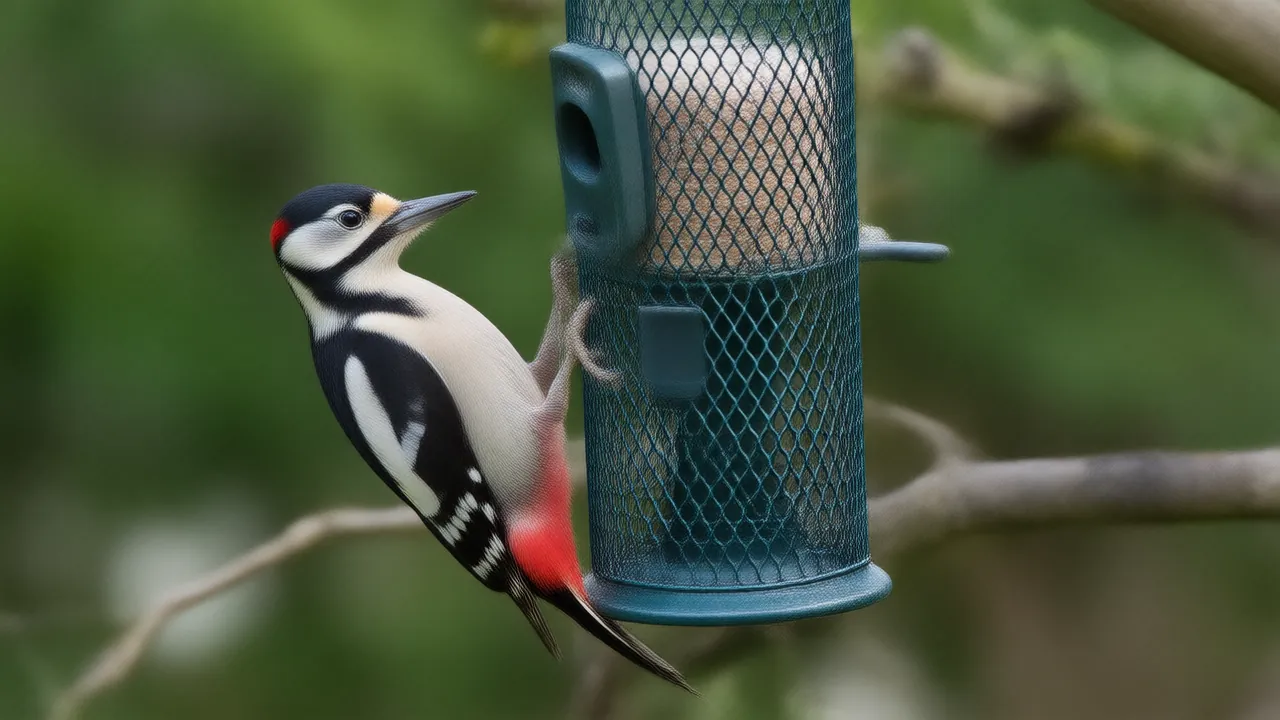
Quick answer
AI bird identification uses a computer model trained on a large collection of labeled bird photos. When a bird lands, the camera captures frames, software finds the bird in the picture, and the model scores it against every species it knows, showing the best match. It works best on clear, side-on daylight views of common birds and struggles with odd angles, poor light and juveniles.
In this guide
AI bird identification works by comparing a picture of a bird with patterns a computer model learned from a very large collection of labeled bird photos. When a bird lands, the camera captures images, software finds the bird in the frame, and the model scores how closely it matches each species it knows. The top match becomes the label you see on your phone.
It is good at clear, side-on views of common feeder birds in daylight, and much less reliable with odd angles, poor light, young birds and close look-alikes. Treat the label as a well-informed first guess, not a verdict.
How AI bird identification works, step by step
- Something lands. A bird feeder camera notices motion or a change in the picture and starts recording, and it can send an alert to your phone.
- Frames are captured. The camera grabs still frames or a short clip of the visit.
- The bird is found. A detection step looks for a bird-shaped object in the frame and crops to it, ignoring the feeder, leaves and background as far as it can.
- The bird is compared. A classification model looks at the cropped bird and scores it against every species it was trained on.
- A label is chosen. The species with the highest score is shown, sometimes with a confidence level or a runner-up guess.
What the model has actually learned
Nobody writes rules like "red bird with a crest equals cardinal." Instead, the model is trained on labeled photos, and over time it adjusts itself until it recognizes the combinations of shape, color, pattern and proportion that go with each species. Early layers pick up edges and color patches; deeper layers respond to things like wing bars, eye rings, bill shape and overall posture.
The catch is that it only knows what it saw in training. Species, ages and poses that were common in its training photos are recognized well. Anything rarer, such as a juvenile, a molting bird or a species far outside its usual range, gets a weaker, less reliable match. The model does not reason about field marks the way a birder does, so it can be confidently wrong.
Where the work happens
On some cameras the recognition runs on the maker's servers in the cloud, which is why AI identification often comes as part of a subscription. Saving clips is a separate question: they are usually stored either in that cloud service or on a microSD card in the camera. Check how both work on any camera before you buy. The guide to how feeder cameras work explains the rest of the system.
How accurate is AI bird identification?
There is no single accuracy figure worth quoting, because accuracy depends so heavily on the picture. The same system that nails a male cardinal in full sun can stumble over a female House Finch in the shade.
Things that push accuracy up:
- A common feeder species in adult plumage
- A side-on view, with the head and bill visible
- Even daylight with the sun behind the camera
- A sharp frame, with the bird filling a good part of it
Things that pull it down are covered in the next section. Some identification systems also use your location and the date to favor species expected in your area at that time of year. That helps with look-alikes, but it can also push a genuine rarity toward a more expected species.
A confidence score, where one is shown, tells you how sure the model is, not how right it is. A high score on a blurry frame still deserves a second look.
What confuses bird ID AI
| Situation | Why it trips the AI | What helps |
|---|---|---|
| Odd angles | Bird facing away, head buried in the feeder, only a tail or wing in view | Wait for another frame; check several clips of the same visit |
| Backlight and shade | Colors disappear into a silhouette; dappled shadows break up patterns | Aim the camera so the sun is behind it for most of the day |
| Low light | At dawn and dusk the picture gets grainy and colors fade | Trust midday clips over early and late ones |
| Young, female and molting birds | Less common in training photos and genuinely harder to tell apart | Compare with a field guide's juvenile and female plates |
| Look-alike species | Differences come down to bill length, a face mark or range | Check the one mark that separates them |
| A dirty or wet lens | Droplets, dust and droppings blur detail | Clean the lens gently and regularly |
Molting birds deserve a special mention. In late summer, some cardinals and Blue Jays drop their head feathers all at once and look briefly bald, and goldfinches change from bright yellow to olive-brown in fall. Unusual color variants, such as yellow House Finches or pale, partly white birds, can throw off the model too. For more of these cases, see why AI gets bird species wrong.
How to double-check a label yourself
You do not need to be an expert to catch most mistakes. Work through these steps with the clearest frame you have:
- Size. Compare the bird with the feeder, a perch or a seed port you know the size of.
- Shape. Look at the bill (thick seed-cracker, thin insect-picker, chisel), the tail length and the overall build.
- Key marks. Wing bars, eye rings, crests, streaks and patches of color.
- Range and season. Is this species expected in your state this month? A field guide range map answers that quickly.
- More than one frame. A single clear view beats a dozen blurry ones, and several visits by the same bird often settle it.
Common mix-ups at feeders
| Label shown | Often confused with | What to check |
|---|---|---|
| Downy Woodpecker | Hairy Woodpecker | Bill length: short on a Downy, nearly as long as the head on a Hairy |
| House Finch | Purple Finch | Streaked brown flanks on House Finch; bold face pattern on female Purple Finch |
| Black-capped Chickadee | Carolina Chickadee | Mostly your location; they overlap in a narrow band |
| Song Sparrow | Female House Sparrow | Streaked breast with a central spot on Song Sparrow; plain breast on House Sparrow |
| Cooper's Hawk | Sharp-shinned Hawk | Head size and tail tip shape; many need an expert look |
The woodpecker pair comes up constantly on feeder cameras; the guide to Downy vs Hairy Woodpecker shows exactly what to look for.
Is a bird feeder camera with no AI worth it?
Yes, if you enjoy identifying birds yourself. A bird feeder camera without AI identification still gives you the main pleasures: a phone alert when a bird lands, and the chance to watch it live on your phone. You simply do the naming. Many people find that learning their regulars by eye is part of the fun, and the double-checking steps above work just as well on a clip without a label. If you are weighing that choice, see using a bird feeder camera without a subscription.
Getting better IDs from your camera
- Face the camera away from the sun for most of the day, so birds are lit from the front.
- Keep the background plain, such as sky, a hedge or a fence, rather than busy branches.
- Frame the perch side-on, so birds show their profile, head and bill.
- Clean the lens with a soft, damp cloth whenever the picture looks hazy.
- Correct wrong labels if your app offers that option, and keep your own list of confirmed visitors.
Better pictures help both you and the software. The guide to getting better bird feeder camera photos has more setup tips.
Sources and editorial verification
Editorial boundary for How Does AI Bird Identification Work? Accuracy Explained: Identification depends on location, date, age, sex, molt, light, sound quality and individual variation; confirm multiple field marks and regional occurrence. Check linked sources and the responsible local authority again before acting because product documentation, disease conditions, wildlife rules and seasonal observations can change.
- Cornell Lab of Ornithology — checked for species identification.
- Cornell Lab of Ornithology — checked for photo and sound identification as suggestions.
- Cornell Lab of Ornithology eBird Science — checked for modeled seasonal abundance.
- US Fish and Wildlife Service — checked for native plants.
Questions people ask
How does a bird feeder camera identify birds?
It captures frames when a bird lands, finds the bird in the picture, and runs it through a model trained on labeled bird photos. The species with the best match score is shown as the label.
How accurate is AI bird identification?
It depends on the picture. Clear, side-on daylight views of common adult birds are usually labeled well; odd angles, backlight, juveniles and look-alike species cause most mistakes.
Does AI bird identification need a subscription?
Often, when the recognition runs on the maker's servers. Check how identification and clip storage work on a specific camera before buying.
Why did my camera label a bird wrong?
Usually because of the angle, the light, a young or molting bird, or a close look-alike such as Downy and Hairy Woodpeckers. Check size, bill shape, key marks and range to confirm.
Written by the Backyard Birdcam team with AI assistance. Found something we got wrong? Email shop@smarternewsnow.com and we will fix it. How we write our guides.