Quick answer
Winter is Florida's big season at feeders, when catbirds, warblers, goldfinches and, in the central and southern peninsula, Painted Buntings arrive from the north. The state changes from top to bottom: the Panhandle gets cold snaps, subtropical South Florida has no chickadees but has non-native parrots and mynas, and central oak scrub holds the Florida Scrub-Jay. The Northern Mockingbird, the state bird, lives statewide all year.
In this guide
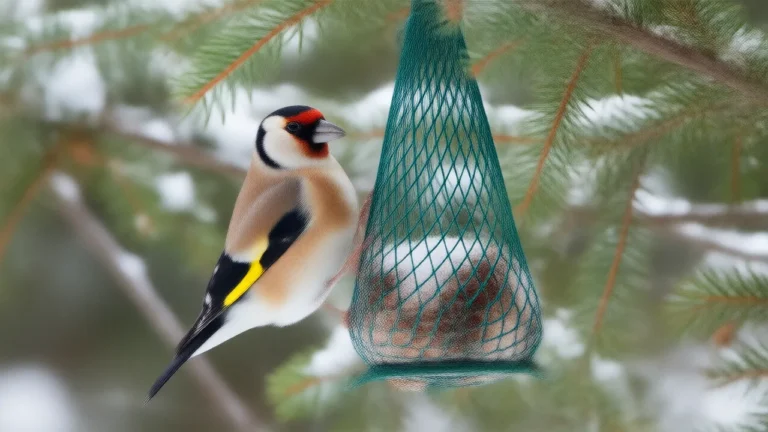
The birds you see in a Florida backyard year-round are the Northern Mockingbird (the state bird), Northern Cardinal, Blue Jay, Mourning Dove, Common Ground Dove, Red-bellied Woodpecker, Carolina Wren and Boat-tailed Grackle. In north and central Florida, add Carolina Chickadees and Tufted Titmice. Winter is Florida's big season at feeders, when catbirds, warblers, goldfinches and, in the central and southern peninsula, Painted Buntings arrive from the north.
Florida is long, and it changes a lot from top to bottom. The Panhandle has cold snaps and many of the same birds as Georgia and Alabama. South Florida is subtropical, with no chickadees at all and a growing list of non-native parrots and mynas. Use the table below as the statewide picture, then check the regional notes for your part of the state.
Florida backyard birds by season
| Florida season | Birds you are likely to see | Worth offering |
|---|---|---|
| All year | Northern Mockingbird, Northern Cardinal, Blue Jay, Mourning Dove, Common Ground Dove, Eurasian Collared-Dove, Red-bellied and Downy Woodpeckers, Carolina Wren, Eastern Towhee, Boat-tailed and Common Grackles, Red-winged Blackbird, Fish Crow, Red-shouldered Hawk, White Ibis on lawns. North and central: Carolina Chickadee, Tufted Titmouse, Brown Thrasher, Eastern Bluebird, Pine Warbler, Brown-headed Nuthatch in pine woods | Black oil sunflower, safflower, white millet on a tray, suet or suet dough in cool months, water |
| Winter (roughly November to March) | Gray Catbird, Yellow-rumped and Palm Warblers, Ruby-crowned Kinglet, Blue-gray Gnatcatcher, Eastern Phoebe, House Wren, Yellow-bellied Sapsucker, American Robin and Cedar Waxwing flocks, American Goldfinch, Chipping Sparrow. White-throated Sparrow mainly in the north. Painted Bunting in central and south Florida | Sunflower hearts, white millet, nyjer, suet dough, fruit, berry-bearing native shrubs, nectar |
| Spring (March to May) | Purple Martin (arriving as early as January in the south), Great Crested Flycatcher, Swallow-tailed Kite overhead, Ruby-throated Hummingbird, migrating warblers, Indigo Buntings and Rose-breasted Grosbeaks | Nectar, sunflower, safflower, a bird bath, nest boxes and martin housing |
| Summer (June to August) | Ruby-throated Hummingbird in the north and center, Eastern Kingbird, Common Nighthawk at dusk, Northern Parula, Summer Tanager in the north, Gray Kingbird on the southern coasts, Painted Bunting nesting along the northeast coast | Nectar changed often, water, native flowering plants; go light on seed that molds in the humidity |
| Fall (September to November) | Migrating warblers, buntings, grosbeaks and hummingbirds passing south, then the first winter catbirds, phoebes and warblers | Sunflower, millet, nectar, fruiting shrubs |
Dates are approximate and shift with latitude and weather. A strong cold front in fall can push a wave of northern birds deep into the peninsula overnight.
Florida's state bird: the Northern Mockingbird
The Northern Mockingbird is Florida's state bird, and it lives in every part of the state all year. It is a slim gray bird roughly 9 to 10 inches long, with a long tail and big white patches in the wings that flash when it flies or raises its wings on the lawn.
Mockingbirds are famous mimics. One bird may string together the calls of jays, cardinals, hawks and even car alarms, repeating each phrase several times before switching. Unpaired males sing late into spring and summer nights, especially near streetlights.
They rarely eat seed. Mockingbirds want insects in summer and berries and fruit in winter, and they defend a good fruit shrub fiercely from other birds. Native shrubs with berries, such as beautyberry, wax myrtle and holly, bring them in better than any feeder. More ideas are in our guide on how to attract mockingbirds.
Regional notes: Panhandle, central peninsula, South Florida
Panhandle and North Florida
This part of Florida feels like the Deep South, with occasional hard freezes. Carolina Chickadees, Tufted Titmice, Brown-headed Nuthatches, Brown Thrashers and Eastern Bluebirds are regular in yards. Winter brings White-throated and Chipping Sparrows and more goldfinches than farther south. Ruby-throated Hummingbirds nest here in summer, and a few western hummingbirds, mostly Rufous, turn up at feeders in winter.
Central Florida
The middle of the state is where northern and southern birds overlap. Carolina Chickadees reach about their southern limit here, and titmice thin out farther south. Sandhill Cranes walk suburban lawns, Swallow-tailed Kites glide overhead from late winter through summer, and Painted Buntings come to millet feeders in winter. Oak scrub on old sandy ridges is home to the Florida Scrub-Jay, the only bird found in Florida and nowhere else. It is a threatened species, so enjoy it from a distance and never hand-feed it.
South Florida and the Keys
South Florida has no chickadees, and titmice are few or absent, but it has a long winter season of warblers, catbirds, Painted Buntings and a few Baltimore Orioles, which come for fruit and nectar. Several non-native birds are established in towns and cities, including Monk Parakeets and other parrots, Common Mynas and Muscovy Ducks. Gray Kingbirds nest along the coasts in summer.
What to feed birds in Florida
Heat and humidity shape feeding in Florida more than cold does. In the humid summer months, seed that gets damp can mold within days.
- Black oil sunflower and safflower suit cardinals, jays, titmice, chickadees and woodpeckers. Safflower is less attractive to grackles, which can empty a feeder quickly.
- White proso millet is the seed Painted Buntings want. Many Florida feeders offer it in a small tube or a caged feeder that keeps grackles and doves out.
- Suet melts and goes rancid in summer heat. Offer it in the cool months, or switch to a no-melt suet dough.
- Nectar is one part white sugar to four parts water, with no red dye. In Florida heat, change it every day or two. See our hummingbird nectar recipe for details.
- Water draws birds that never visit feeders, such as warblers and mockingbirds. Change bird-bath water every two or three days so mosquitoes can't breed in it.
- Native plants do much of the work: beautyberry, wax myrtle, firebush, coral honeysuckle and saw palmetto feed birds with fruit, nectar and insects.
Painted Buntings are the bird most Floridians hope for at a feeder. Our guide on how to attract painted buntings covers seed, feeder placement and cover.
Florida rules and hazards to know
- Don't feed Sandhill Cranes. Intentionally feeding wild Sandhill Cranes is against state law in Florida. Cranes that learn to expect food lose their fear of people, cars and houses. Keep spilled seed cleaned up if cranes walk through your yard.
- Keep feeders away from water with alligators. Food scraps and birds near a pond edge can draw alligators, and feeding alligators is illegal.
- Watch for bears. Black bears live in many parts of Florida, especially the north and center, and seed feeders attract them. If a bear visits, take your feeders down for a few weeks.
- Take feeders down before a hurricane. Anything hanging outside can become a projectile in high wind. Rehang feeders and fill bird baths once the storm passes, when birds need food and water most.
A Florida feeder checklist
- Offer small amounts. Fill only what birds finish in a day or two, especially from May through October.
- Clean feeders every week or two, and more often in wet weather. Our guide on how to clean a bird feeder has the method.
- Put out millet in October if you live in central or south Florida, ready for returning Painted Buntings.
- Keep a nectar feeder up in winter in central and south Florida, where some hummingbirds spend the season.
- Plant one berry shrub this fall, such as beautyberry or wax myrtle, for mockingbirds, catbirds and wintering warblers.
- Learn the regulars first. Our guide to common backyard birds helps you sort out the everyday visitors before the winter rush.
Questions people ask
What common birds of Florida visit yards all year?
The birds you see in a Florida backyard year-round are the Northern Mockingbird, Northern Cardinal, Blue Jay, Mourning Dove, Common Ground Dove, Red-bellied Woodpecker, Carolina Wren and Boat-tailed Grackle. In north and central Florida, add Carolina Chickadees and Tufted Titmice.
What birds come to Florida feeders in winter?
Gray Catbirds, Yellow-rumped and Palm Warblers, American Goldfinches, Chipping Sparrows and, in central and south Florida, Painted Buntings, along with the year-round cardinals, jays and woodpeckers.
When do Painted Buntings come to Florida feeders?
Mostly from fall through spring in central and south Florida, roughly October or November into April. They come to white proso millet, often in a caged feeder.
Do hummingbirds stay in Florida all winter?
Some do. Ruby-throated Hummingbirds winter in small numbers in central and south Florida, and a few western hummingbirds visit Panhandle feeders in winter.
Can you feed Sandhill Cranes in Florida?
No. Intentionally feeding wild Sandhill Cranes is against state law in Florida, because cranes that are fed lose their caution around people and traffic.
Written by the Backyard Birdcam team with AI assistance. Found something we got wrong? Email shop@smarternewsnow.com and we will fix it. How we write our guides.