Quick answer
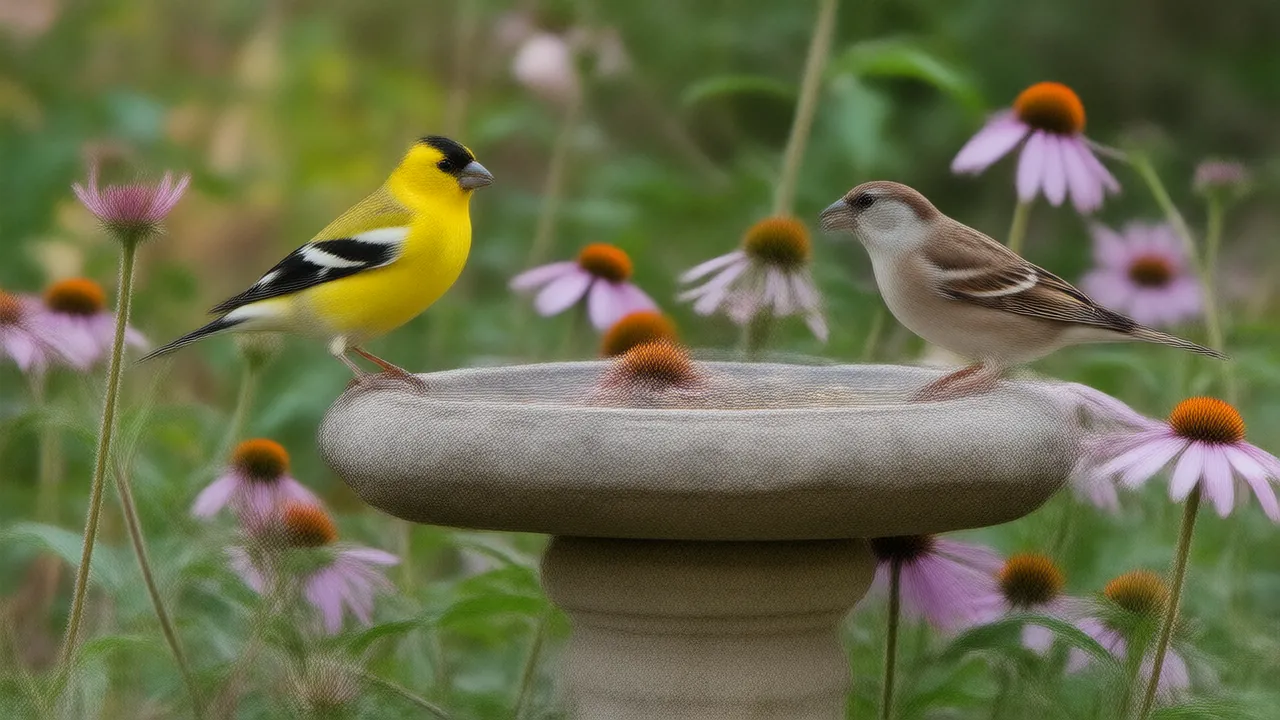
To attract more birds to your yard, provide food, water, cover and places to nest. Start with a black oil sunflower feeder near shrubs and a shallow bird bath. Then add suet and a second seed, plant native shrubs and trees in layers, leave seed heads and some leaf litter, and put up nest boxes by late winter. Keep cats indoors and mark windows.
In this guide
To attract more birds to your yard, give them the four things every bird looks for: food, water, cover and places to nest. Feeders often bring birds in within days. Water, shrubs and native plants are what make them stay, and they bring species that rarely touch a feeder at all, such as warblers, thrushes and wrens.
You do not need to do everything at once. A sunflower feeder and a bird bath placed near a shrub will change your yard this week; planting and nest boxes build on that over the seasons. The plan at the end of this guide puts it in order.
The four things birds look for
| Need | What to provide | What it adds |
|---|---|---|
| Food | Feeders with sunflower, suet and nyjer; native plants with seeds, berries and insects | Quick results; feeds seed-eaters, woodpeckers and finches |
| Water | A shallow bird bath, ideally with moving water; open water in winter | Draws birds that rarely visit seed feeders, such as robins, warblers and waxwings |
| Cover | Dense shrubs, evergreens, small trees and a brush pile | Safety from hawks and cats, shelter from wind, places to roost at night |
| Nest sites | Nest boxes, dense shrubs, dead trees left standing | Birds that raise young in your yard, and use it all season |
Most yards already have one or two of these. The quickest gains usually come from adding whichever is missing, rather than piling on more of what you already have.
Food: feeders plus plants
Offer variety at different heights
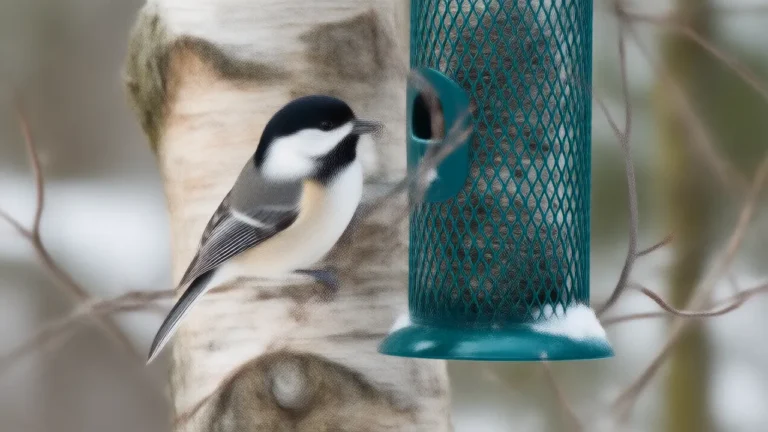
Birds feed at different levels. Doves, juncos, sparrows and towhees feed on the ground; chickadees, finches and titmice take seed from hanging feeders; woodpeckers and nuthatches cling to trunks and suet. One tube feeder serves only part of that range. Three feeding spots at three heights serve most of it:
- Low: a platform tray or cleared patch of ground with white millet and a little sunflower.
- Middle: a tube or hopper of black oil sunflower, the seed that the widest range of feeder birds will eat.
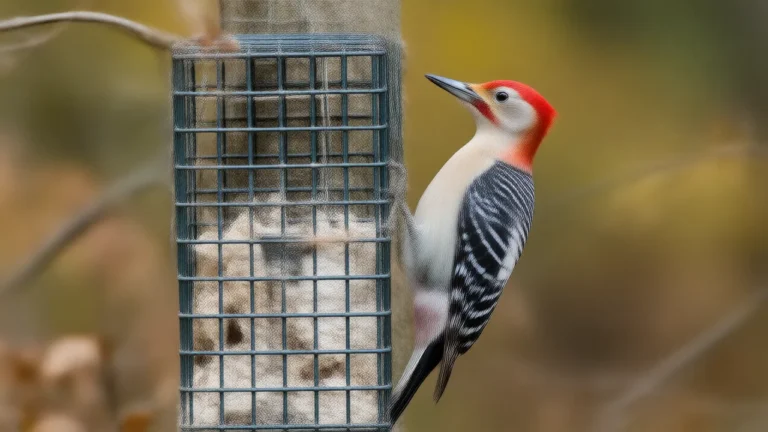
- On a trunk or pole: a suet feeder for woodpeckers, nuthatches and chickadees.
Add a nyjer feeder for goldfinches and a nectar feeder in spring and summer for hummingbirds when you are ready to expand. Before adding stations, use how many bird feeders one yard can maintain to weigh cleaning capacity and crowding.
Help birds find a new feeder
Place feeders where birds can see them and reach cover quickly, ideally with shrubs or small trees a short flight away. Sprinkle a handful of seed on the ground or a tray below the feeder for the first few days; birds spot loose seed more easily than seed inside a tube. Give it time. Some birds find a new feeder in a day, others take a few weeks. The guides on where to put a bird feeder and attracting birds to a new feeder go into detail.
Let plants do some of the feeding
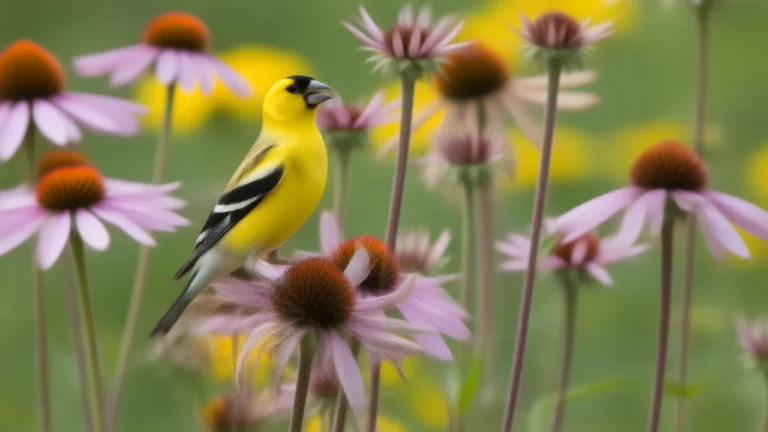
Most songbirds, including many seed-eaters, feed their nestlings mainly on insects, especially caterpillars. No feeder supplies those, but native plants do. Native trees such as oaks, cherries and willows support a large variety of caterpillars, and native shrubs add berries: serviceberry in early summer, dogwood and viburnum in late summer and fall. Coneflowers, sunflowers, black-eyed Susans and asters left standing after they bloom feed goldfinches and sparrows well into winter.
Water: often the fastest way to add new species
Birds need water every day for drinking and bathing, and many species that never eat from a feeder will come to a bath. A good bath is shallow, about 1 to 2 inches deep, with a rough surface birds can grip. Moving water from a dripper or small fountain catches their attention from farther away.
Put the bath in partial shade, with cover a short flight away but no low shrubs right beside it where a cat could hide. Change the water every two or three days, and more often in summer heat. The guide to bird bath placement covers sun, shade, height and cover. In places with freezing winters, a heated bath keeps water open when birds need it most.
Cover: backyard bird habitat ideas
A yard that is mostly lawn with a few scattered trees gives birds little reason to linger. Cover is what makes birds feel safe enough to stay, feed and nest.
- Plant in layers. Natural edges have tall trees, smaller trees beneath them, shrubs below those, and flowers and leaf litter on the ground. Each layer suits different birds, so the more layers you have, the more species you can host.
- Add evergreens. Spruces, pines, junipers, hollies and other native evergreens give birds shelter from winter wind and safe places to roost at night.
- Build a brush pile. Stack branches loosely in a back corner, larger limbs at the bottom. Wrens, sparrows and towhees use it for cover and foraging.
- Leave some leaves. Leaf litter under shrubs is full of insects, and thrushes, towhees and sparrows forage by scratching through it.
- Shrink the lawn. Turning even a strip of mown grass into a planted bed adds food, cover and nesting spots.
- Cut back on pesticides. Insecticides remove the insects birds need to raise their young, and some can harm birds directly.
Choose plants native to your region; they are the ones local insects and birds are adapted to. The guides to native plants for birds and backyard bird habitat ideas have regional suggestions and layouts.
Places to nest
A yard where birds nest is busy from spring to late summer, with parents carrying food back and forth and fledglings following them to the feeders. To encourage it:
- Put up nest boxes made for specific birds. The entrance hole size decides who can use a box: chickadees and house wrens can use a hole of about 1 1/8 inches, while bluebirds and tree swallows need about 1 1/2 inches. A hole larger than the target bird needs lets in house sparrows, and bigger still, starlings.
- Get boxes up by late winter. Many cavity-nesting birds start looking for sites early in spring.
- Plant dense shrubs. Cardinals, catbirds and many sparrows build their nests in thick, twiggy shrubs rather than in boxes.
- Keep dead wood where it is safe. Woodpeckers carve nest holes in dead trees and limbs, and chickadees, nuthatches and bluebirds reuse the old cavities.
Once birds are nesting, give them space. Native birds, their nests and their eggs are protected by federal law, so watch from a distance and never move or handle an active nest.
Keep the birds you attract safe
More birds in a yard means more responsibility for their safety. Three steps matter most:
- Keep cats indoors. Free-roaming cats are a serious threat to songbirds, especially fledglings on the ground.
- Treat problem windows. Mark the outside of reflective glass with dots or tape about 2 inches apart across the whole surface, or use an appropriate exterior screen or cord treatment. Feeder distance alone does not make glass safe; follow Cornell's current window-collision guidance.
- Keep feeders and baths clean. Scrub feeders about every two weeks and baths every few days to limit the spread of disease.
Your plan: first week, first month, first season
This week
- Hang a tube or hopper of black oil sunflower near shrubs or a small tree, where you can see it from a window.
- Set out a shallow bird bath in partial shade.
- Scatter a little seed on a tray or the ground to help birds find the new setup.
This month
- Add a suet feeder and a second seed option: nyjer for finches or millet on a low tray for ground feeders.
- Mark any window that birds might fly into.
- Build a brush pile and stop spraying insecticides.
- Start a cleaning routine for feeders and the bath.
This season and next
- Plant native shrubs and a small tree; fall and early spring are good planting times in most regions.
- Leave seed heads and some fallen leaves in place through winter.
- Put up nest boxes sized for the birds in your area by late winter.
- Add moving water, and a heated bath if your winters freeze.
Questions people ask
What is the fastest way to attract birds to a yard?
Put up a feeder of black oil sunflower near shrubs or a small tree and add a shallow bird bath. Scatter a little seed on the ground for the first few days so birds notice the food.
How long does it take birds to find a new feeder?
Some birds find a new feeder within a day or two, while others take a few weeks. Placing it near cover and scattering some seed below it usually speeds things up.
What plants attract the most birds?
Native plants that suit your region. Native trees such as oaks and cherries support the insects birds feed their young, and native shrubs and flowers like dogwood, serviceberry and coneflowers add berries and seeds.
Why do some birds never come to my feeders?
Many birds, such as warblers, thrushes and wrens, mostly eat insects or fruit rather than seed. Water, native plants and leaf litter bring them in where feeders do not.
Written by the Backyard Birdcam team with AI assistance. Found something we got wrong? Email shop@smarternewsnow.com and we will fix it. How we write our guides.